By FCNN
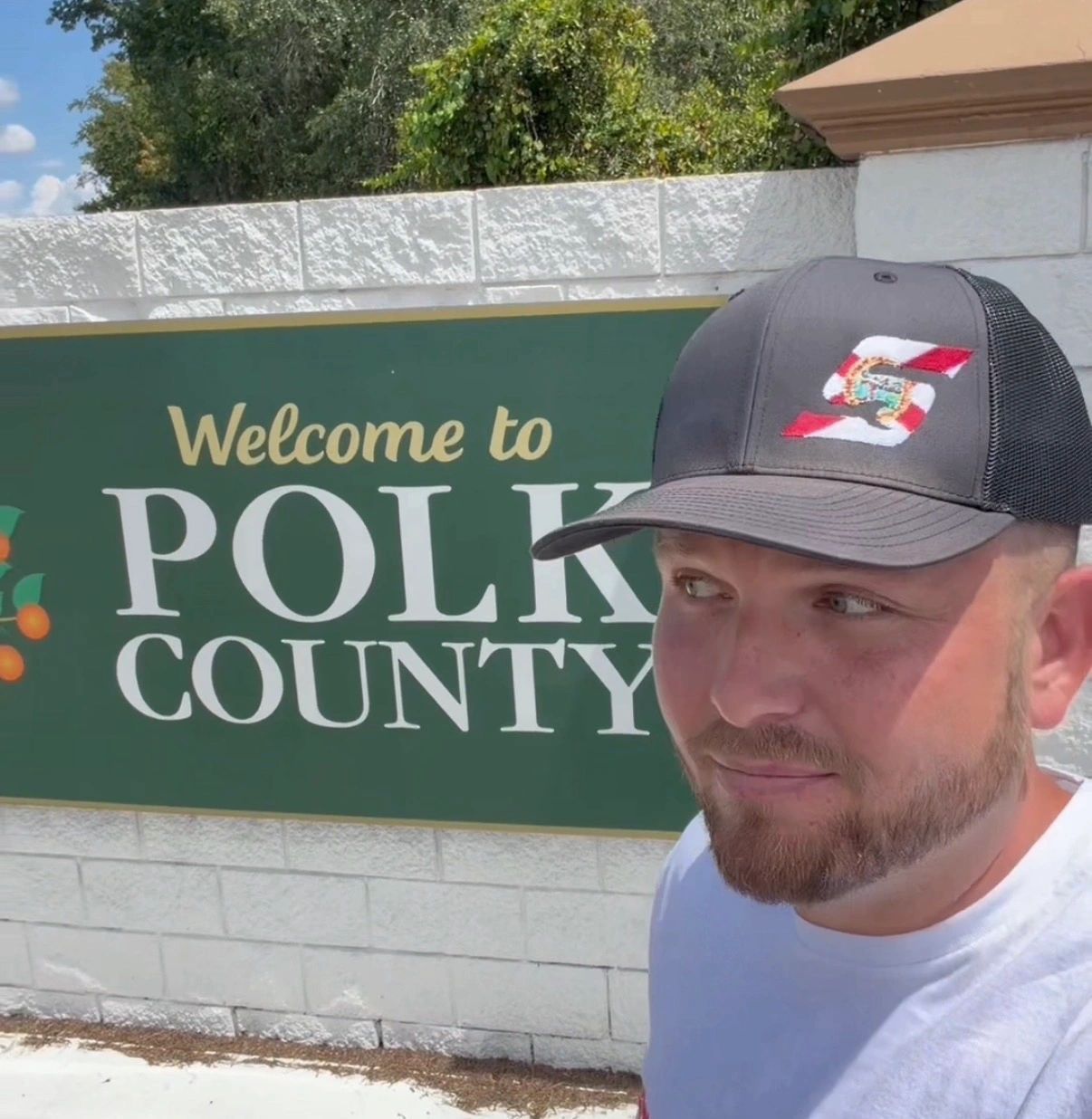
Polk County, FL- Polk County Commissioner Bill Braswell says the county has a “math problem.”
That math problem could get a lot more interesting if Florida voters approve Amendment 3 in November, which would increase the homestead exemption and lower assessment caps for certain homesteaded properties, potentially reducing property-tax revenue available to local governments.
Braswell’s solution? Find another way to collect the money.
Braswell has proposed replacing Polk County’s current half-cent indigent-care surtax with a one-cent countywide infrastructure sales tax. The proposal would generate revenue for infrastructure and services while also helping offset the potential loss of property-tax revenue.
Braswell says this isn’t simply adding another tax.
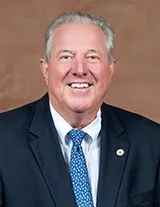
“This is a math problem. That’s all it is,” Braswell said. “We can take stuff away, or we can keep it in place, and we can fund it differently.”
And that brings us back to a decision Polk County made just 29 weeks ago.
Braswell appeared on the “Commissioners Report,” published on the Polk County Government Florida social media account. During the interview, the host asked him about the county’s decision to give a “pretty substantial tax break” to the Fort Meade data center and why the board believed it was important to support the project.
Braswell seemed to have no trouble explaining the appeal.
“What I like about it is the impact, it’s very low impact. It’s not like a warehouse where you have a bunch of trucks coming and going all day. It’s not a lot of employees, it’s kind of this inert thing sitting off to the side. Like I said, brings in some really high paying jobs. It was easy for us to give them the tax break.”
Easy.
Polk County ultimately approved a $140 million tax break for the Fort Meade data center, despite overwhelming opposition from residents. Fort Meade commissioners approved the project as well, even though residents appeared overwhelmingly opposed to putting the data center in their community.

That decision becomes particularly interesting when you consider comments made by Byron Donald about the project 18 weeks ago.
Donald was asked about the data center after Fort Meade had already approved the project and the tax cuts were in place. The question was why Fort Meade was pursuing the data center despite what appeared to be overwhelming opposition from residents.
His explanation centered on the same thing local governments are always looking for: revenue.
“One of the reasons why Fort Meade is looking at it, and there’s a couple other parts of the state looking at it, because they’re in these counties that are fiscally constrained counties and we have residents and citizens that want to repeal Homestead property taxes. Trust me, I do too,” Donald said.
Then he explained the problem.
“If you have a data center coming to your county, well your county officials are looking at it saying, well this is now fresh tax revenue.”
That was the pitch.
Bring in a data center. Generate new tax revenue. Help financially constrained local governments.
But by the time Donald made that pitch, Fort Meade had already approved the project and the tax cuts had already been granted.
Fast-forward 18 weeks.
Florida voters may soon decide whether to increase the homestead exemption and lower assessment caps, potentially reducing the amount of property-tax revenue flowing to local governments.
And Polk County is now considering a one-cent sales tax to help make up the difference.
Suddenly, that $140 million tax break doesn’t look quite so simple.
Residents were overwhelmingly opposed to the Fort Meade data center. The project was approved anyway. The county called the tax break easy to approve because the data center would be low impact and bring in high-paying jobs.
Now, as the state considers giving homeowners additional property-tax relief, the county is looking for another revenue source.
There is, of course, nothing inherently wrong with a government trying to balance its budget.
The question is whether taxpayers should have to pay more at the cash register because local governments chose to give away hundreds of millions in potential tax revenue in the first place.
Braswell says it’s a math problem.
Maybe it is.
The only question is who gets stuck paying for the solution to the equation.
And judging by the proposal, it may be the people standing in line at the checkout counter.
First thing , data centers have almosz no employes.
second thing, Data centers use far too much water as polk county has been in a bad drought for years All lakes are under 50% of 5 years ago. Rivers are dry and no creeks or streams.
Third thing- Data centers swallow power.
I’m fine with a 1 cent sales tax boost. It spreads the tax out over the whole population and not just home owners.