The Florida Department of Health this week advised against using mRNA COVID-19 vaccines heading into the fall and winter, typically a season with an uptick in respiratory illness.
The department said that for those 65 and older with underlying health conditions concerned about COVID-19, providers should “prioritize patient access to non-mRNA COVID-19 vaccines and treatment.”
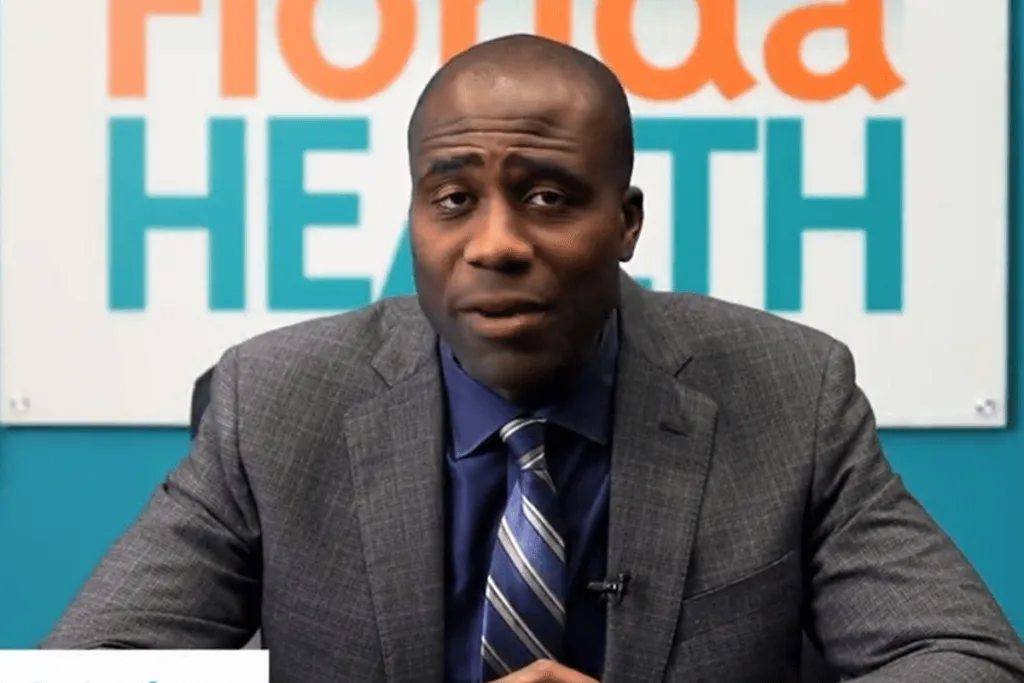
Florida Surgeon General Joseph Ladapo said in the new guidance that Floridians should prioritize being active, minimize processed foods, prioritize vegetables and healthy fats, and spend time outdoors to improve vitamin D levels.
Despite the approval, the Florida Health Department expressed concern over the “lack” of clinical trial data specific to newly-approved COVID-19 boosters.
The vaccines target an Omicron variant, which is currently responsible for a limited number of infections, the department said – and are not designed to protect against the dominant strain of COVID-19 in the U.S., which accounts for roughly 37% of cases.
State officials also said that there is limited data on whether these boosters provide meaningful protection.
The statement raised additional concerns over the federal government’s decision not to require manufacturers to demonstrate the boosters’ effectiveness in preventing hospitalizations or death.
Florida also warned of safety risks, including the potential of prolonged circulation of mRNA and spike protein, potential increased risk of respiratory infections, autoimmune diseases after vaccination, and heart issues.
The department advised providers to discuss these concerns with patients, including those over 65 or with underlying health conditions.
Florida has now long advised against the use of mRNA COVID-19 vaccines and boosters. Earlier on, the state came out against their usage of young people, particularly young males, over concerns of potential heart side effects.