The online buzz across local community groups is hitting a fever pitch over Project Swan—a proposed 600,000-square-foot data center campus that would transform quiet cow pastures in west Lakeland into a massive hub for artificial intelligence infrastructure.
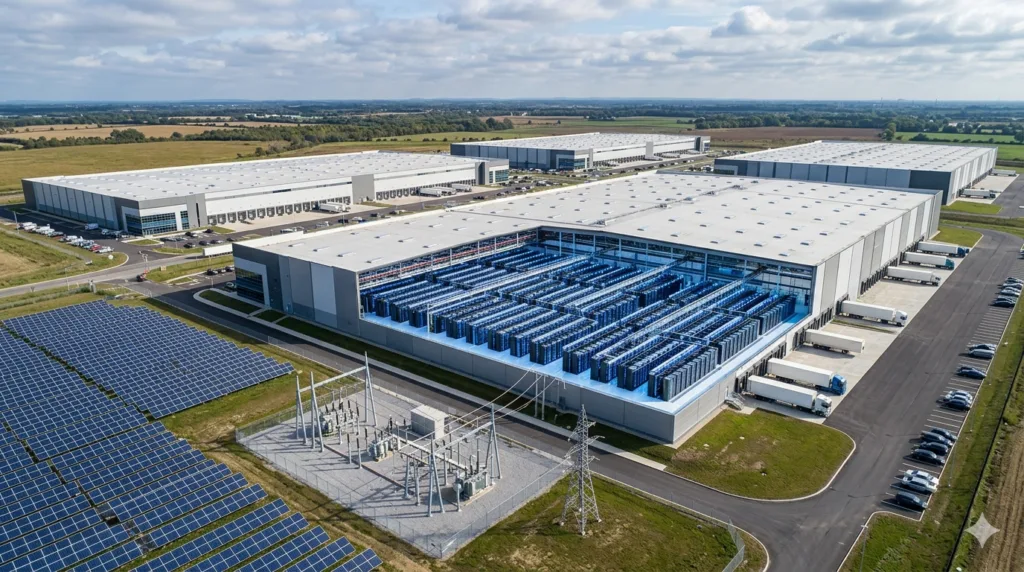
While the tech industry is racing to build out these physical hubs to power advanced AI models, the plan has hit a wall of local resistance. Here is a clear breakdown of why residents are pushed back, where the project actually stands with the city, and what happens next.
Why the Backlash?
The scale of modern AI data centers means their local footprint is massive, prompting Lakeland residents to raise several major red flags:
- Water Consumption: Data centers require an immense amount of water—often hundreds of thousands of gallons a day—solely to keep heavy-duty computer servers from overheating. Residents are deeply worried about the strain this could put on the local aquifer and water utilities.
- Power Grid Demands: AI processing is incredibly energy-intensive. There is widespread concern over whether Lakeland Electric has the capacity to handle a facility of this scale without impacting local utility rates or grid stability.
- The “Hum”: Industrial cooling infrastructure (massive fans, chillers, and HVAC systems) runs 24/7. In other parts of the country, neighbors of similar data centers have complained about a relentless, low-frequency background noise that disrupts outdoor quality of life.
Where the Proposal Stands Right Now
With anxieties running high, many residents initially planned to pack the city commission meeting to voice their opposition. However, city officials have stepped in to clarify that the project is nowhere near a final decision:
- Not on the Agenda: There is no vote scheduled, and the city commission is not formally debating it yet.
- Early Review Stage: City Manager Shawn Sherrouse noted that the city has only received a preliminary application. Right now, staff members have very few concrete details regarding the exact municipal services and infrastructure the site will require.
What Happens Next?
The administrative vetting process is just beginning behind the scenes, and it will take quite a while to play out.
- Wednesday Technical Review: On Wednesday, June 3, the application goes to a staff-level development review meeting. Technical teams from Lakeland Electric, Water Utilities, Public Works, and Fire Prevention will meet with the developers to dissect the project’s exact infrastructure demands.
- Months of Evaluation: Local officials emphasize that city staff will spend months gathering data and thoroughly reviewing the environmental and structural impacts before any public hearings or official zoning votes take place.
This pushback isn’t happening in a vacuum. Polk County has quickly become a hotspot for the data center debate,