In a decision issued by the 11th Circuit Court of Appeals, a three-judge panel unanimously upheld the U.S. Environmental Protection Agency’s (EPA) approval for a test road project made with phosphogypsum—a radioactive byproduct of phosphate fertilizer production.
The ruling allows fertilizer giant Mosaic to move forward with constructing a 1-mile pilot road on its private property at the New Wales facility in Polk County, Florida.
The Core Issues Behind the Ruling
1. What is Phosphogypsum?
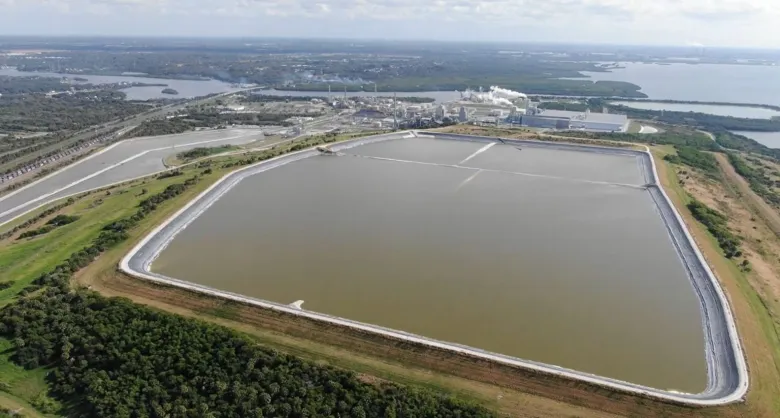
Phosphogypsum is the toxic waste generated during wet-process phosphoric acid production for agricultural fertilizer.
- Radioactivity: It contains trace amounts of naturally occurring radium, which decays into radon gas, a carcinogenic air pollutant.
- Current Disposal: Because of environmental and public health risks, the EPA historically mandated that phosphogypsum be stored in massive, open-air “gypsum stacks”. Florida currently houses over a billion tons of this material.
2. The Court’s Rationale
The suit was brought by the Center for Biological Diversity and other environmental groups, who argued that integrating toxic waste into roadway construction poses an unacceptable public health risk and violated agency regulations.
Senior U.S. Circuit Judge Stanley Marcus wrote for the unanimous panel that:
- The EPA’s Risk Assessment Was Sound: The court determined that the EPA provided a coherent, science-backed methodology evaluating exposure pathways.
- Low Radiation Risk: EPA estimates found the cancer risk for nearby residents and facility workers was less than 1 in 1 million, and for truck drivers hauling the material, roughly 2.7 in 10 million—far below safety threshold limits.
- Controlled Environment: Because the test road is located on an existing industrial site that already stores phosphogypsum, building a private road on-site does not present a significantly higher risk than leaving the waste in open-air stacks.
What Happens Next?
- Strict Conditions: While Mosaic can proceed, the EPA ruling imposes strict oversight. Mosaic must conduct pre-construction radiological sampling, annual repeat testing, and at least 18 months of groundwater monitoring following construction.
- Not a Blanket Approval: The 11th Circuit noted that this decision does not grant open authorization to use phosphogypsum on public highways or other commercial projects. Any future application outside this single pilot project will require a separate, full EPA risk assessment and approval process.
- Environmental Opposition: Conservation groups continue to express concern that test projects like this establish a dangerous precedent, opening the door for the fertilizer industry to offload toxic waste into civil infrastructure across Florida and the nation.