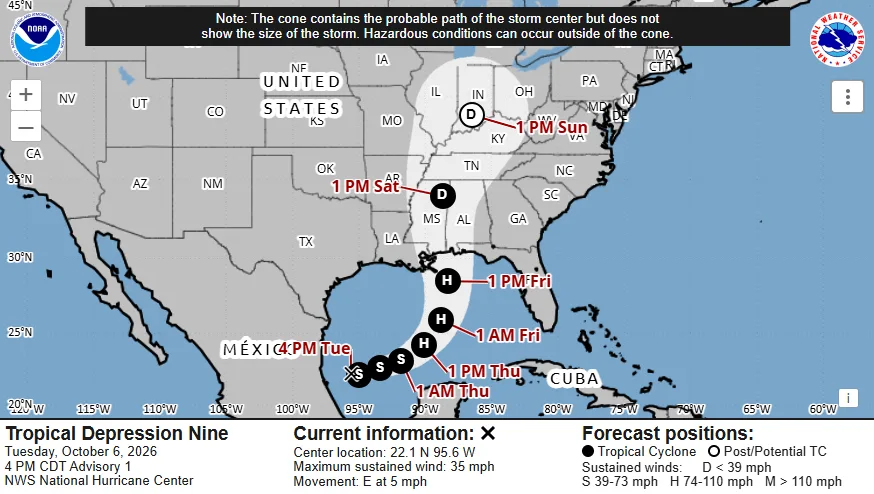
Invest 92L in the Gulf of Mexico has a high probability of developing into Tropical Storm (or Hurricane) Isaias. Because system organization and exact tracks are evolving, impacts across Florida will depend on the final path and intensity, but the primary localized threats include:
1. Heavy Rainfall and Localized Flooding
- Gulf Coast & Panhandle / Big Bend: The most direct threat involves tropical moisture surge, delivering widespread heavy rainfall (potentially 2–6+ inches with higher localized totals).
- Central & South Florida: Outer rain bands and tropical squalls are likely to bring localized flash flooding, saturated soil, and high urban runoff regardless of direct landfall placement.
2. Gusty Winds and Isolated Tornadoes
- Coastal & Inshore Winds: Strong tropical-storm-force wind gusts could cause scattered power outages, damage untethered outdoor property, and snap tree limbs—especially along the Panhandle, Big Bend, and Gulf beaches.
- Severe Weather Threat: Outer feeder bands moving onshore can spawn fast-moving isolated tornadoes or waterspouts, particularly to the east of the storm’s center.
3. Coastal Hazards & Marine Conditions
- Rip Currents & Rough Surf: Swells generated across the Gulf will produce life-threatening rip currents and dangerous beach surf along Florida’s west coast and Panhandle.
- Minor to Moderate Storm Surge: Onshore winds could push coastal waters inland during high tide along low-lying Gulf areas and coastal bays.
(Visited 8 times, 1 visits today)