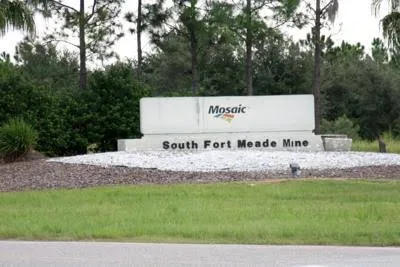
The decision by The Mosaic Company to temporarily idle its South Fort Meade phosphate mine—alongside similar production cutbacks and layoffs at its Louisiana and international facilities—highlights a severe bottleneck in the global fertilizer supply chain.
Key Factors Behind the Shortage and Idling
- The Sulfur Bottleneck: Sulfur is an indispensable raw material used to process raw phosphate rock into usable phosphate fertilizers (by reacting it to produce phosphoric acid).
- Middle East Disruptions: A significant portion of the world’s tradable sulfur is a byproduct of oil and gas refining in the Persian Gulf, with a large share moving through the Strait of Hormuz. Regional conflicts and maritime choke points severely disrupted these exports, causing global sulfur supplies to plummet and prices to skyrocket.
- Economic Pressures: With sulfur prices multiplying drastically, operating costs surged to a point where continued production at full capacity resulted in steep financial losses. At the same time, softening crop prices left farmers with thin margins, preventing fertilizer manufacturers from fully passing on the inflated input costs.
Local and Industry Impacts
- Facility and Workforce Impacts: In addition to Florida operations like South Fort Meade, Mosaic implemented major workforce reductions and curtailments at its facilities in Donaldsonville and other sites.
- Broader Market Effects: The constrained output has driven up global phosphate prices and led industry analysts to warn of tight fertilizer supplies for agricultural planting seasons, keeping cost pressures high for row-crop farmers worldwide.
Mosaic officials have indicated that they intend to maintain readiness to resume full operations as soon as global sulfur supply chains stabilize and market conditions allow.
(Visited 13 times, 13 visits today)