Mosaic, a major fertilizer company, has been advised by the Florida Department of Transportation (FDOT) to expand its proposal of using radioactive phosphate waste in road construction. The company’s plan includes using phosphogypsum, a byproduct of fertilizer production, in a test roadway at its New Wales facility in Mulberry, Florida. Initially, Mosaic intended to use less than 500 tons of phosphogypsum. However, following FDOT’s suggestion, the company now plans to use 1,200 tons and extend the test road by 2,000 feet.
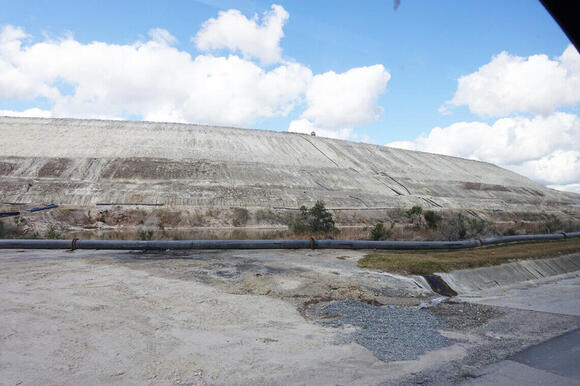
The phosphate industry has faced challenges in disposing of phosphogypsum, a slightly radioactive byproduct. It is currently stored in large piles or gypstacks. Mosaic’s plan to use this material in roadbeds has led to concerns about potential radioactive contamination over time. Critics worry about potential negative impacts on human and environmental health.
Environmental activists have expressed strong opposition to the company’s proposal. Garrett Stuart, leader of the nonprofit Eco Preservation Project, has been particularly outspoken. Stuart has organized awareness events in South Florida and expressed concerns about potential contamination.
Despite the opposition, Mosaic has received considerable support from the state government. The company has contributed to the Republican Party of Florida and was a sponsor of Governor Ron DeSantis’ inauguration ceremony. Mosaic’s recent request to expand its proposal followed recommendations from the FDOT.
The proposed expansion of Mosaic’s plan is pending approval from the U.S. Environmental Protection Agency. A spokesperson for the state agency has not yet commented on the matter. Stakeholders are keenly awaiting the federal agency’s decision.