The news regarding the Project Stonebridge data center in Fort Meade has sparked significant concern across Polk County, particularly in Lakeland, where officials are closely monitoring its potential impact on the regional water supply.
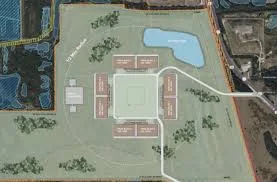
The proposal for a 4.4 million-square-foot hyperscale data center—which would be the first of its kind in Florida—has set off alarm bells due to the sheer volume of resources required to maintain such a facility.
The Core Conflict: Water Usage
The primary friction point between the developer (Stonebridge/Florida Ecopark LLC) and regional authorities lies in the math:
- Developer Estimates: Stonebridge has projected a need for roughly 50,000 gallons of water per day for operations and 140,000 gallons for cooling.
- State & Regulatory Skepticism: Florida Commerce Secretary J. Alex Kelly recently issued a sharp rebuke, calling these figures “woefully underestimated.” Regional experts note that similar hyperscale facilities can consume millions of gallons daily, which poses a direct threat to the Central Florida Water Initiative planning area—an already strained water source that Lakeland and surrounding cities depend on.
Why Lakeland is Watching
Lakeland’s interest isn’t just neighborly curiosity; it’s a matter of resource security. Because the proposed site (a 1,300-acre former phosphate mine) sits within the same regional aquifer system, any massive draw in Fort Meade could affect water pressure and availability for Lakeland’s own residential and commercial growth.
Key Red Flags Raised
The project has faced a “fundamentally flawed” label from the Florida Department of Commerce for several reasons:
- Energy Strain: The center could require over a gigawatt of power, potentially impacting the broader energy grid and local rates.
- Economic Tradeoffs: While the developer promises jobs, critics argue that hyperscale data centers are largely automated and managed by small teams, offering minimal long-term employment compared to the massive resource drain.
- Permitting Hurdles: Despite the Fort Meade City Commission’s 5-0 vote to approve a development agreement on April 14, the project is far from a “done deal.” It still requires a Consumptive Use Permit from the Southwest Florida Water Management District (SWFWMD) and multiple environmental clearances.
Current Status
As of late April 2026, the state has taken an unusually public stance against the project. Local groups like the “Watchdogs of Fort Meade” and regional municipal leaders continue to press for more transparency regarding who will actually operate the facility and how the environmental “gaps” in the current plan will be filled.