On Monday, May 4, 2026, the Lakeland City Commission voted 6-1 to approve a 10-year stormwater fee increase designed to tackle approximately $69 million in overdue drainage and water-quality projects.
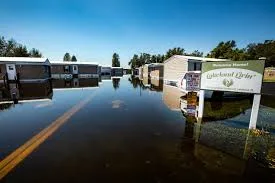
Whether this will be “enough” is a subject of active debate among city leaders. While the plan provides a dedicated funding stream for long-ignored infrastructure, several factors suggest it may only be a starting point.
Commissioner Guy LaLonde Jr., the lone dissenting vote, argued the city is moving too slowly on one of its most expensive infrastructure problems.
“It’s not about ‘if’ we’re going to flood again, but ‘when’ we’re going to flood again,” LaLonde said.
The Financial Breakdown
The Commission opted for a more gradual “compromise” plan rather than the aggressive 5-year hike initially proposed by city staff.
| Feature | Details of the Approved Plan |
|---|---|
| Annual Increase | $1.17 per month added each year for 10 years. |
| Current Rate | $9.72 per month (for a typical single-family home). |
| Final Rate (2036) | $21.42 per month. |
| Start Date | January 1, 2027. |
| Total Expected Revenue | Approx. $50–$69 million over the decade. |
Export to Sheets
Why it might NOT be enough
The primary concern regarding the “sufficiency” of this plan is the gap between revenue and rising costs:
- The Funding Gap: City staff originally identified a need for at least $69 million in projects ($43 million for drainage/flooding and $26 million for lake restoration). Some projections suggest that with inflation, the actual cost to complete these projects over the next decade could exceed $112 million. +1
- The Inflation Factor: Commissioner Guy LaLonde Jr., the lone “no” vote, argued that spreading the increase over 10 years makes the projects more expensive in the long run. He suggested that building costs for infrastructure are rising by 4% to 6% annually, which could outpace the steady 1.17 annual fee hike.
- Maintenance vs. New Projects: Much of the revenue is earmarked for “overdue” maintenance and federally mandated water quality improvements (TMDLs). This leaves limited flexibility for major new flood-mitigation projects if weather patterns (like the recent Hurricane Milton) continue to intensify.
Why it might be considered enough
- Grant Eligibility: Establishing a dedicated local funding source makes the city much more competitive for state and federal grants (such as the EPA’s Sewer Overflow and Stormwater Reuse grants). These grants could bridge the $40–$50 million gap.
- Economic Balance: By keeping the 75% credit for private drainage systems, the city avoided a massive, sudden cost for large commercial properties, which local business leaders argued would have stifled economic growth.
- ERU Adjustment: The city is also lowering the Equivalent Residential Unit (ERU) size from 5,000 to 3,850 square feet. This change ensures that properties with more “impervious” surfaces (roofs and pavement) pay a more proportional share of the burden.
Summary
The 10-year plan is a significant step toward stabilizing Lakeland’s aging infrastructure, but most officials agree it is a compromise. While it provides the minimum funds needed to start critical work, the city will likely remain reliant on external grants and potential future adjustments to keep up with the compounding costs of inflation and climate demands.