That makes perfect sense. Gizzard shad are often the “canary in the coal mine” for Florida lakes because they are highly sensitive to sudden changes in their environment, especially during the spring.
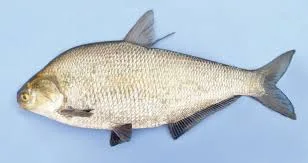
If the FWC is receiving widespread reports, it usually points to a few specific biological “perfect storms” happening right now in Polk County:
1. Spawning Stress (Mid-May Peak)
Gizzard shad in Florida typically spawn between March and June, peaking right around mid-May. This is an incredibly taxing physical process for them. They gather in massive, dense schools near the shoreline to spawn, which uses up their energy reserves and leaves them physically vulnerable to other stressors like bacteria or minor oxygen fluctuations that wouldn’t normally kill a healthier fish.
2. The “Temperature Trap”
We are currently in that window where Florida water temperatures are climbing rapidly.
- Low Oxygen: Warm water naturally holds less dissolved oxygen.
- Nighttime Crashes: Because Lake Hollingsworth is shallow and nutrient-rich, the heavy algae and plant life produce oxygen during the day but “breathe” it all back in at night. By 4:00 AM or 5:00 AM, the oxygen levels can drop low enough to suffocate sensitive species like shad, while hardier fish like tilapia or bass survive.
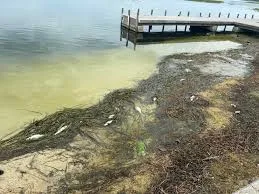
3. Post-Cold Snap Vulnerability
As you might remember, the February 2026 arctic blast caused significant stress on local fish populations. While many fish survived the initial freeze, their immune systems were weakened. FWC often sees secondary die-offs months later as the water warms up and dormant bacteria or parasites (which thrive in warmer water) attack the already-stressed shad.
Summary of the Situation
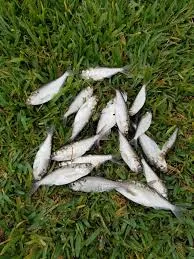
The FWC generally classifies these shad-specific kills as “natural mortality events” unless they see multiple species (bass, bream, etc.) dying at once. While it’s an unpleasant sight (and smell) along the Lake Hollingsworth trail, it’s usually a sign of the seasonal transition rather than a chemical spill or man-made pollution.
Pro-tip for your walk: The city usually sends crews to scoop the shorelines if the count gets high, but with the Phase 3 Water Shortage currently in effect, lower water levels might make the “aroma” a bit more noticeable near the yacht club and the FSC side of the lake for a few days.