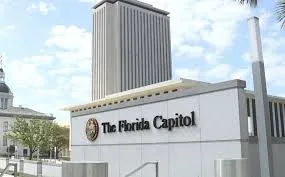
This is a massive relief for thousands of Floridians. After months of intense anxiety and fierce pushback from healthcare advocates, Florida lawmakers have hammered out an agreement in the final $115 billion state budget to reverse the deep, unilateral cuts made to the state’s AIDS Drug Assistance Program (ADAP) earlier this year.
Here is a breakdown of what is in the newly reached deal, what challenges remain, and how the state got to this point.
What the New Deal Restores
The budget agreement effectively walks back the drastic restrictions implemented by the Florida Department of Health (DOH) and secures the program for the upcoming fiscal year:
- $75 Million in Funding: Lawmakers locked down a $75 million appropriation dedicated to keeping the program fully operational.
- Eligibility Back to 400%: Income eligibility is restored to 400% of the federal poverty level (about $62,600 a year for an individual). The DOH had previously slashed this to 130% (around $20,000 a year), which threatened to strip coverage from more than 12,000 low-income residents.
- Crucial Medications Returned: The agreement forces the state to reverse its drug restrictions. Most notably, it brings back coverage for Biktarvy, the most widely prescribed HIV medication in the country, which the DOH had stripped from the formulary.
The Fine Print: New Caps and Oversight
While advocacy groups like the AIDS Healthcare Foundation (AHF) are celebrating the funding package, the legislature added a few strict compromises and oversight measures to address the state’s budget anxieties:
- Enrollment Cap: The deal places a hard cap of 21,000 participants on the program’s “direct dispense” enrollment system (where the state directly supplies the medication to uninsured individuals).
- Premium Assistance Under Review: When the DOH enacted its cuts, it completely eliminated help for patients paying their health insurance premiums. This new deal does not immediately restore that insurance premium assistance. Instead, it mandates an independent financial analysis due in January 2027 to evaluate the true costs and benefits of bringing the premium assistance program back.
How We Got Here
The agreement caps off a highly contentious, fast-moving timeline that began at the start of the year:
- January: Citing a sudden, self-reported $120 million budget shortfall, the Florida Department of Health quietly scaled back ADAP, triggering panic among patients and providers. AHF quickly sued the state for bypassing the legally required public rulemaking process.
- March: As public pressure mounted, lawmakers rushed to pass a unanimous, bipartisan $30.9 million emergency stopgap bill, which Governor DeSantis signed to keep patients temporarily covered through June 30.
- Late May: Budget chairs finalized the broader $75 million full-year package, ensuring the program won’t fall off a financial cliff when the stopgap funds expire next month.
What’s Next: Lawmakers are locked into a cooling-off period before they take a final, formal vote to pass the entire state budget this coming Friday.