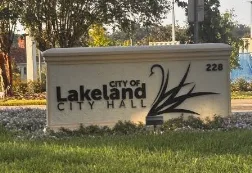
The City of Lakeland officially published its proposed 12-month temporary moratorium ordinance on data centers and “Large Load Customers,” stemming directly from the community backlash over the 500,000+ square-foot “Project Swan” proposal near Old Tampa Highway and Wilkinson Road.
The city’s goal is to hit the pause button so staff can thoroughly study the impacts of these massive facilities on local water permits, the electric grid, noise pollution, and neighborhood zoning.
Here is a breakdown of the key details from the city’s newly released ordinance:
NOTICE OF PROPOSED MORATORIUM ON DATA CENTERS AND LARGE LOAD CUSTOMERS
Key Metrics & The Target
- What is paused: The acceptance, processing, review, and approval of development permits or orders for new commercial data centers.
- Who it affects: The moratorium specifically targets “Large Load Customers”—defined as facilities with an anticipated monthly peak electrical load of 50 megawatts (MW) or more.
- What is safe: Ordinary server rooms, municipal IT infrastructure, and standard computer rooms subordinate to a normal business are completely exempt. The city noted that it currently has zero utility customers meeting the 50 MW “Large Load” definition.
Key Public Meeting Dates
The proposed ordinance requires two public readings before it can be officially enacted. The city has scheduled them at City Hall (228 S. Massachusetts Avenue):
| Event | Date & Time | Location |
| First Public Hearing / Reading | Monday, July 6, 2026, at 9:00 AM | City Commission Chambers |
| Second Public Hearing & Final Vote | Monday, July 20, 2026 | City Commission Chambers |
Note on the Timeline: While the moratorium is written for a 12-month duration, city commissioners have noted it is flexible. If city staff can update the Land Development Code and create a workable regulatory framework sooner, the commission can vote to lift the freeze ahead of schedule.
Lakeland isn’t alone in this move; several other regional municipalities—including Zephyrhills, Citrus, Pasco, and Hernando counties—have enacted similar pauses to catch up with the rapid pace of tech infrastructure development.