The reality behind Florida’s multi-million dollar DMV data pipeline came into sharp focus following legislative investigations and pushback from state lawmakers.
How It Works
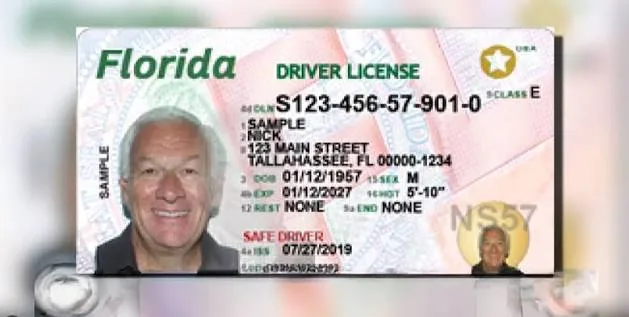
Every time residents visit a tax collector’s office or use the portal to get or renew a driver’s license or ID, they hand over sensitive details—including home addresses, dates of birth, driving records, vehicle registration histories, and organ donor status.
Under the federal Driver’s Privacy Protection Act (DPPA) of 1994, states are generally restricted from releasing personal motor vehicle records, but the law includes broad exemptions for “permissible uses”. This includes use by insurance companies, background check firms, private investigators, and data brokers.
The Florida Department of Highway Safety and Motor Vehicles (FLHSMV) heavily leveraged these exemptions, quietly generating more than $490 million over a 15-year period. Major buyers have included prominent data analytics and aggregation firms like LexisNexis and Tessera Data. The revenue flows directly into state operating trust funds to help offset agency and infrastructure costs.
The Pushback and Legislative Battles
The practice largely operated without widespread public awareness until state lawmakers brought it to light.
- The Proposed Ban: State Representative Peggy Gossett-Seidman filed House Bill 357, aiming to completely shut down the commercial sale of driver data, block foreign-owned entities from accessing records, and mandate explicit citizen consent before any sharing could occur.
- The Arguments: Proponents of reform argued that selling data exposes citizens to rampant spam, robocalls, targeted marketing, and identity theft risks. It also feeds into controversial “shadow rating” practices, where insurers use non-driving behavioral and demographic data bought from third parties to quietly drive up rates. Conversely, industry groups and insurers defended the access, claiming it is vital for accurate risk assessment, identity verification, and fraud prevention.
- Current Status: Despite drawing heavy public interest, efforts to halt the practice have faced fierce uphill battles; a prominent privacy measure addressing the data sales was rejected by the Florida House, leaving the lucrative data-sharing framework intact under current federal guidelines.