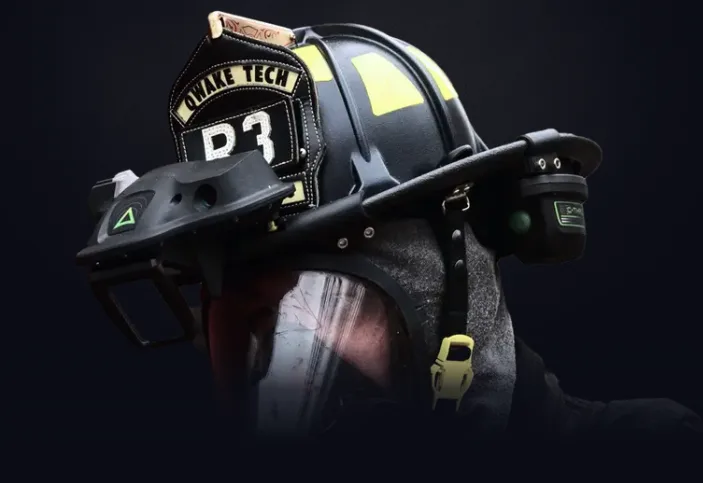
Recent field testing of smart helmet technology, such as the C-Thru system tested by the Oklahoma City Fire Department in partnership with the U.S. Department of Homeland Security, highlights how artificial intelligence (AI) and augmented reality (AR) are modernizing firefighting.
These next-generation helmets integrate real-time spatial mapping, thermal imaging, and AI edge processing into a single head-mounted visor, providing crucial operational advantages during structure fires and search-and-rescue missions.
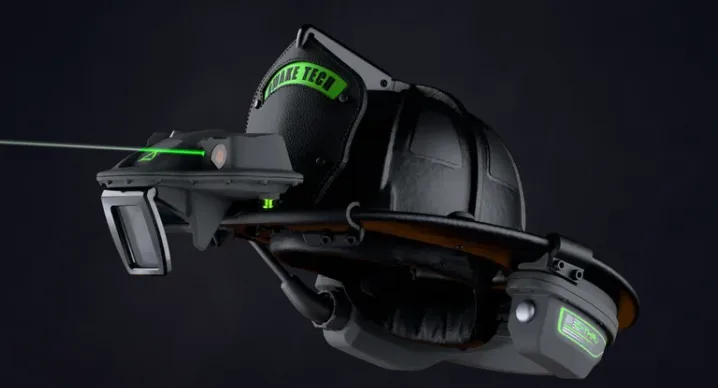
Key Features & Technological Capabilities
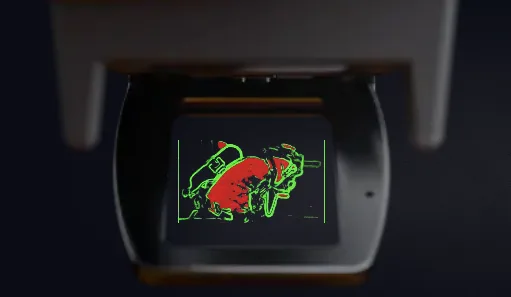
- Augmented Reality (AR) Visor: Displays glowing, real-time outlines of walls, doors, structural obstacles, and fallen victims directly onto the firefighter’s visor, cutting through pitch-black or thick smoke conditions.
- AI Computer Vision & Thermal Imaging: Combines thermal sensors with AI object-recognition models to distinguish human heat signatures from hot spots, furniture, or debris, helping crews pinpoint victims faster.
- Simultaneous Localization and Mapping (SLAM): Maps structure interiors dynamically in real time without relying on GPS or cellular connections, ensuring navigation assistance inside steel-and-concrete buildings or basements.
- Live Incident Command Streaming: Transmits high-definition structural maps and firefighter positions back to incident commanders outside, allowing for better tactical coordination and immediate headcounts.
Key Benefits & Field Testing Results
| Operational Benefit | Impact on Safety & Efficiency |
| Dramatically Faster Search & Rescue | Initial department assessments show the technology cuts search-and-rescue times by roughly 50%. |
| Reduced Smoke & Toxic Exposure | Shorter search times directly translate to reduced exposure to extreme heat, toxic fumes, and flashover risks. |
| Hands-Free Navigation | Unlike traditional handheld thermal imaging cameras (TICs), hands-free visor displays allow firefighters to keep both hands free for tools, hose lines, and victim extraction. |
| Improved Spatial Orientation | 81% of firefighters in field evaluations reported significantly improved spatial orientation in zero-visibility environments. |
Path to Widespread Deployment
While field trials have moved from testing into initial real-world deployments, broader adoption across fire services nationwide will depend on several factors:
- Durability & Heat Resistance: Ensuring high-tech displays, battery packs, and sensors withstand extreme thermal conditions and water exposure.
- Weight & Ergonomics: Keeping helmet weight within safety guidelines to avoid neck strain during extended operations.
- Department Budgeting & Grants: Securing federal grants (such as Homeland Security funding) to assist local municipalities with adoption costs.
(Visited 10 times, 10 visits today)