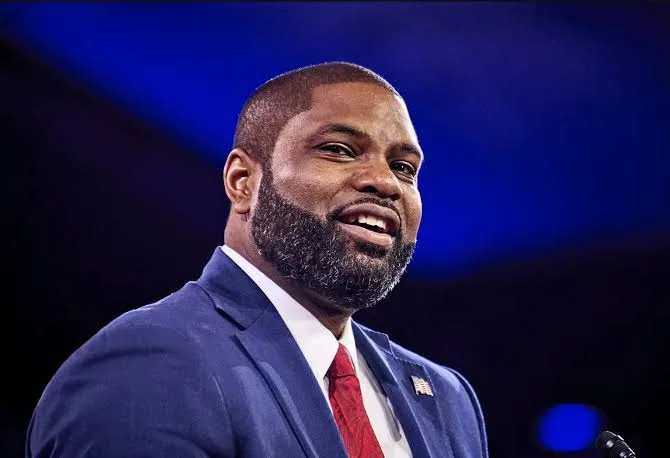
During a summit held by the Florida Board of Governors at Florida International University, Florida Governor-elect and outgoing U.S. Representative Byron Donalds (R-Fla.) publicly criticized the federal Protect College Sports Act (PCSA), declaring, “I hate that bill”.
Why Donalds Opposes the Bill
- Free-Market Principles: Donalds, who co-sponsored Florida’s original state-level Name, Image, and Likeness (NIL) legislation in 2019, argued that college athletics are simply in the “toddler phase of NIL”. Framing himself as a “market-based system person,” he stated that if student-athletes have the talent to leverage their name to earn money, federal regulations shouldn’t restrict them—and suggested that conference realignment or collapses reflect an outdated business model rather than a problem requiring federal intervention.
- Disadvantage to Florida Schools: He contended that the legislation would put Florida universities at a competitive disadvantage. Like U.S. Senator Rick Scott (who voted against the bill in the Senate), Florida opponents have raised concerns that the bill’s provisions—such as caps on major conference sizes and national preemption of state NIL laws—could restrict major Florida programs like Florida State and Miami.
- A Break with Trump: Donalds’ blunt opposition puts him at odds with President Donald Trump—who endorsed Donalds for governor and supports the PCSA—as well as House GOP leadership pushing to pass the bill during the lame-duck session.
What the Protect College Sports Act Does & Where It Stands
- Key Provisions: Passed by the U.S. Senate in a 77–22 vote in September 2026, the bipartisan bill (led by Sens. Ted Cruz and Maria Cantwell) would create a national framework for NIL deals, cap agent fees at 5%, limit players to one free transfer, preempt state NIL laws, and grant the NCAA and athletic conferences limited antitrust protections to enforce eligibility and compensation rules.
- Legislative Outlook: Because Donalds still serves in the U.S. House until January 2027, he holds a vote on the bill during the current lame-duck session. With Democrats set to take control of the House in January and opposition coming from both conservative free-market Republicans like Donalds and the Congressional Black Caucus, the bill faces steep hurdles to reach the President’s desk before the current Congress expires.
(Visited 4 times, 1 visits today)