
By Vicky Quintanilla
𝗜 𝘁𝗵𝗼𝘂𝗴𝗵𝘁 𝗜 𝘄𝗮𝘀 𝗽𝗿𝗲𝗽𝗮𝗿𝗲𝗱 𝗳𝗼𝗿 𝘄𝗵𝗮𝘁 𝗜 𝘄𝗼𝘂𝗹𝗱 𝘀𝗲𝗲 𝗮𝘁 𝗣𝗼𝗹𝗸 𝗖𝗼𝘂𝗻𝘁𝘆 𝗔𝗻𝗶𝗺𝗮𝗹 𝗖𝗼𝗻𝘁𝗿𝗼𝗹. 𝗜 𝘄𝗮𝘀𝗻’𝘁.
As a mental health counselor, I have spent years listening to stories of unimaginable human suffering. I’ve worked with survivors of domestic violence, abuse, persecution, and political violence. I thought I understood suffering.
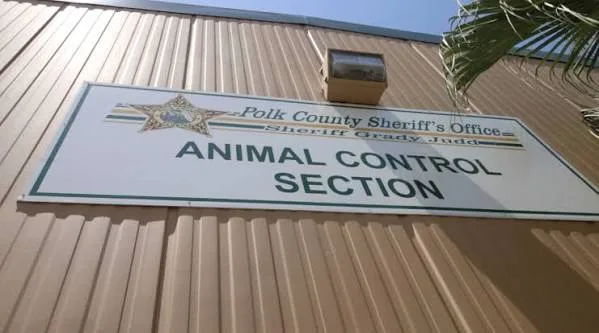
But nothing quite prepared me for what I experienced at Polk County Animal Control.
In my profession, people can often tell me what happened to them. They can describe their fear, pain, and desperation.
𝗔𝗻𝗶𝗺𝗮𝗹𝘀 𝗰𝗮𝗻𝗻𝗼𝘁.
Once these animals enter a government facility, their lives depend entirely on the people entrusted with protecting them. What happens when that system becomes the very system we have to fight to change?
𝗙𝗿𝗶𝗱𝗮𝘆, 𝗡𝗼𝘃𝗲𝗺𝗯𝗲𝗿 𝟭𝟯, 𝟮𝟬𝟮𝟲 — 𝟮:𝟬𝟬 𝗽.𝗺.
Maria Barrero and I visited Polk County Animal Control. The day before, I had meditated and prayed, trying to prepare myself emotionally.
Our visit began with a requirement to present identification through a window. As someone whose home address is exempt from public records, I felt uncomfortable knowing that a facility whose leadership I have publicly criticized would have my personal information. We waited outside to be called and escorted through the kennels.
It felt less like entering an animal shelter and more like entering a prison.
The irony was impossible to ignore.
In May 2025, an inmate working inside this facility was accused of violently killing a mother cat. According to a Sheriff’s Office probable-cause affidavit, witness Ledell Wilson described seeing Casey corner the cat and strike her with a broken red fiberglass pole. The investigating deputy also documented a pole with a nail or claw-like feature and an indentation in the cat’s skull.
The cat collapsed, breathing shallowly, and became unresponsive. She had six kittens. According to the affidavit, because they were too young to survive without her, they would also have to be euthanized.
One mother. Six kittens. Seven lives potentially lost because of one alleged act of cruelty.
More than a year later, the accused individual is reportedly free. Criminal charges were filed but subsequently dropped. How could an inmate allegedly kill a mother cat inside a government animal shelter, with physical evidence documented by an investigating deputy, only for the charges to be dropped?
Yet citizens visiting that same facility must be escorted through the kennels.
𝗪𝗵𝗼 𝗲𝘅𝗮𝗰𝘁𝗹𝘆 𝗶𝘀 𝗯𝗲𝗶𝗻𝗴 𝗽𝗿𝗼𝘁𝗲𝗰𝘁𝗲𝗱?
𝗧𝗵𝗲 𝘀𝗼𝘂𝗻𝗱𝘀, 𝘁𝗵𝗲 𝘃𝘂𝗹𝘁𝘂𝗿𝗲𝘀, 𝗮𝗻𝗱 𝘁𝗵𝗲 𝗮𝗻𝗶𝗺𝗮𝗹𝘀
Before entering the kennels, I walked toward the outdoor dog park. It was a pleasant afternoon, approximately 75 degrees. But the barking and crying were overwhelming. Dogs sounded as though they were standing beside me, yet I couldn’t see them. I repeatedly asked Maria where the sounds were coming from.
The noise became so unbearable that I returned to my car to regroup.
When I came back, I looked toward the sky, wanting to pray. Maria pointed upward.
𝗩𝘂𝗹𝘁𝘂𝗿𝗲𝘀.
They were circling above us. An animal shelter beside a landfill where euthanized animals’ bodies are disposed of. Dogs crying in the distance. Vultures overhead. Animals confined inside, many of whom will never leave alive.
If the noise overwhelmed me within minutes, what must it do to frightened animals confined there for days or weeks?
We were greeted by Pam, who told us she had worked at the facility for approximately 20 years. I hoped she could answer questions animal advocates have been asking for years.
But as she spoke, disturbing mental images of animals being killed kept entering my mind. I tried to concentrate, yet those images returned again and again.
I prayed silently, asking the universe to shower me with rays of light, to help me radiate love and compassion from my heart to Pam’s and to every living being around us. I wanted to remain present, to listen, to understand.
𝗕𝘂𝘁 𝘁𝗵𝗲 𝗶𝗺𝗮𝗴𝗲𝘀 𝗸𝗲𝗽𝘁 𝗿𝗲𝘁𝘂𝗿𝗻𝗶𝗻𝗴.
I asked why so few cats appear on the adoption website when visitors see many more inside. Pam described an initial seven-day holding period, followed by another five days before adoption eligibility. How many animals never make it to the adoption floor?
And why have advocates been told feral cats receive a 48-hour hold when records appear to show some euthanized on the very day they arrived? Are feral cats always kept in individual cages?
𝗧𝗵𝗲 𝗰𝗮𝘁𝘀 𝗮𝗻𝗱 𝘁𝗵𝗲 𝗰𝗮𝗴𝗲𝘀
Entering the cat area was heartbreaking. Polk County Animal Control has experienced problems with feline panleukopenia, a highly contagious disease. Maria advised me not to touch the cats because of infection-control concerns.
Cats approached the front of their cages. Kittens came forward, seemingly asking for the simplest thing in the world: human contact.
And we couldn’t give it to them.
Then I saw what was described as a quarantine area. The partition was made of screen mesh, with tiny openings allowing air to pass through. It looked more like a screened porch than an isolation area for cats potentially carrying a highly contagious disease.
Imagine a hospital during a COVID outbreak separating infected patients from others with little more than a screen door. Would anyone consider that adequate infection control?
I am not a veterinarian, but I couldn’t understand how that mesh screen could provide adequate protection.
Maria noticed an older cat with dried diarrhea in its cage. I initially mistook it for dirt or a leaf. She expressed concern about possible coccidia and asked Pam to have someone check on the cat.
As we continued walking, I saw dirty enclosure after dirty enclosure. I would estimate that approximately 70% to 80% of the cages I observed appeared dirty to some degree. That was my personal impression.
I also noticed no food in the cages at the time of our visit. I couldn’t help remembering previous reports of rats and roaches at this facility. Were the animals being fed on a schedule? Was food being removed because of persistent allegations of rats and roaches? I didn’t know.
Maria noticed another cat with diarrhea and spoke with a veterinary technician about the treatment protocol for suspected coccidia. She later expressed concern to Pam and me that the protocol described differed from one she knew through her shelter experience. Maria, who has fostered animals for over 16 years, obtained Pam’s personal cell number to share a deworming protocol used at another shelter where she had worked. She explicitly stated that she wasn’t a veterinarian, only sharing her hands-on experience.
We had come hoping to learn what was being done to improve animal care. Instead, Maria was offering information from her experience.
And I kept thinking about the animals who had already died there.
𝗪𝗵𝗮𝘁 𝗰𝗮𝗻 𝘆𝗼𝘂 𝗱𝗼 𝘁𝗼 𝗸𝗶𝗹𝗹 𝗳𝗲𝘄𝗲𝗿 𝗰𝗮𝘁𝘀?
That was the question I asked Pam directly.
Other Florida shelters achieve substantially better live-release outcomes. Why couldn’t Polk learn from them?
Pam described working exhausting days, sometimes 14 hours long. Other questions, she explained, would need to go to Captain Jason Varnadore. I wondered whether he would refer them to Sheriff Grady Judd, just as county commissioners so often defer to the Sheriff’s authority.
Responsibility keeps moving from one person to another.
𝗕𝘂𝘁 𝘁𝗵𝗲 𝗮𝗻𝗶𝗺𝗮𝗹𝘀 𝗵𝗮𝘃𝗲 𝗻𝗼𝘄𝗵𝗲𝗿𝗲 𝗲𝗹𝘀𝗲 𝘁𝗼 𝗴𝗼.
Pam told us she was hard of hearing, and I wondered what 20 years of constant barking might do to someone’s hearing and emotional well-being. I also wondered what happens when employees spend so long inside a troubled system that suffering begins to feel normal.
When frightened animals, dirty cages, and killing become routine, who is left asking how to change things? Who inside then can change to kill less?
Then we entered the dog kennels.
The barking was deafening. But even worse was the unbearable stench. The kennels looked old and worn, some deteriorated or damaged, with dog beds that appeared broken or patched.
One dog was cowering and whimpering. Another appeared so frightened that I wondered what it might have endured before arriving there. I couldn’t know its history, but the fear was heartbreaking.
And again no touch because of possible parvovirus transmission.
I wanted desperately to comfort them, to let them know not every human being would hurt them.
𝗔𝗻𝗱 𝗜 𝗰𝗼𝘂𝗹𝗱𝗻’𝘁.
I remembered fellow advocates describing a visit to Pasco County’s municipal shelter, where they encountered quieter dogs, climate-controlled kennels, and calming music.
Why couldn’t Polk provide a calmer environment? And why not welcome more qualified volunteers to help?
𝗧𝗵𝗲 𝘀𝗺𝗲𝗹𝗹 𝗳𝗼𝗹𝗹𝗼𝘄𝗲𝗱 𝗺𝗲 𝗵𝗼𝗺𝗲
When we finished, Jhoanna arrived with cats that had just undergone TNR through PAW Plus for Maria.
I looked at them and said, “We need a group hug.”
And we hugged. I desperately needed that human connection after everything I had witnessed.
Back in my car, something disturbed me again.
𝗧𝗵𝗲 𝘀𝗺𝗲𝗹𝗹 𝘄𝗮𝘀 𝗼𝗻 𝗺𝗲.
My hair. My hands. That horrible odor.
How? I hadn’t touched the animals. Yet I felt as though I’d carried the entire shelter into my car. I sprayed alcohol on my hands, but I could still smell it.
Then I thought about the animals. They couldn’t escape the smell, the noise, or the cages. They couldn’t go home, shower, or wash the experience away.
𝗜 𝗰𝗼𝘂𝗹𝗱 𝗹𝗲𝗮𝘃𝗲. 𝗧𝗵𝗲𝘆 𝗰𝗼𝘂𝗹𝗱𝗻’𝘁.
I left with questions that still haunt me. Why does Polk continue to euthanize so many animals? Why are cats killed and their bodies sold to a biological supply company? Why are visitors prohibited from bringing phones inside? Why isn’t there surveillance throughout the areas where animals are housed and handled?
How could an inmate kill a cat inside this facility, only for the criminal charges to be dropped?
And why does meaningful change seem so difficult when other shelters have demonstrated that better outcomes are possible?
Killing healthy or treatable animals because a system refuses to improve and continues to fail them is an entirely different moral and spiritual question.
As a mental health counselor, I have helped people who survived terrible experiences find a path forward. They could tell me what happened. They could ask for help.
These animals cannot explain their suffering, request another shelter, or tell us what happens when the public goes home.
We are not simply fighting the people who abandon and abuse animals. We are fighting to change the very system entrusted with protecting them.
𝗠𝘆 𝗿𝗲𝗾𝘂𝗲𝘀𝘁 𝘁𝗼 𝗲𝘃𝗲𝗿𝘆 𝗣𝗼𝗹𝗸 𝗖𝗼𝘂𝗻𝘁𝘆 𝗿𝗲𝘀𝗶𝗱𝗲𝗻𝘁
Please visit Polk County Animal Control yourself, unannounced during public visiting hours. Ask questions. Look at the animals. Observe the conditions. Then share your observations publicly and write to Sheriff Grady Judd and Captain Jason Varnadore. Tell them what you saw and what needs to change.
𝗦𝗵𝗲𝗿𝗶𝗳𝗳 𝗚𝗿𝗮𝗱𝘆 𝗝𝘂𝗱𝗱
[email protected]
𝗣𝗼𝗹𝗸 𝗖𝗼𝘂𝗻𝘁𝘆 𝗔𝗻𝗶𝗺𝗮𝗹 𝗖𝗼𝗻𝘁𝗿𝗼𝗹 𝗗𝗶𝗿𝗲𝗰𝘁𝗼𝗿 𝗝𝗮𝘀𝗼𝗻 𝗩𝗮𝗿𝗻𝗮𝗱𝗼𝗿𝗲
[email protected]
And please don’t forget the animals you saw behind those cages.
Because after we leave, after the noise fades, after we return to our comfortable homes and ordinary lives…
𝗧𝗵𝗲𝘆 𝗮𝗿𝗲 𝘀𝘁𝗶𝗹𝗹 𝘁𝗵𝗲𝗿𝗲.
And for too many of them, time is running out.