By Staff
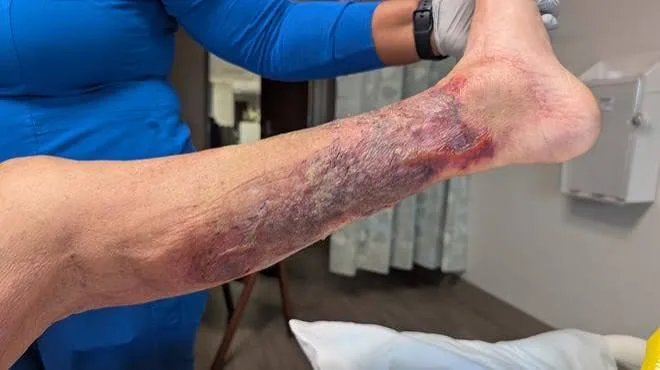
The Florida Department of Health has confirmed 36 cases of Vibrio vulnificus and 7 deaths statewide in 2026. Often referred to in headlines as “flesh-eating bacteria,” it does not actually eat tissue, but severe infections can release toxins that cause necrotizing fasciitis—a rapid breakdown and death of skin and soft tissue.
Why Flooding Increases the Risk
Vibrio vulnificus naturally thrives in warm, brackish water where freshwater and saltwater mix (such as estuaries, bays, and coastal inlets). Heavy rain, storm surge, and flooding elevate exposure risks in two primary ways:
- Expanded Brackish Zones: Storm surge and runoff push coastal water inland into residential streets and standing floodwaters, creating ideal conditions for the bacteria outside normal swimming areas.
- Increased Wound Exposure: Residents wading through floodwaters during or after storms frequently sustain minor cuts, scrapes, or punctures from hidden debris, providing an immediate entry point for the bacteria.
Transmission & High-Risk Groups
People contract the infection through two main routes:
- Open Wounds: Exposing cuts, scrapes, bug bites, recent tattoos, or surgical sites to warm salt water, brackish water, or coastal floodwater.
- Raw Seafood: Eating raw or undercooked shellfish, particularly oysters, which filter and concentrate the bacteria from warm waters.
While healthy individuals generally experience mild gastrointestinal symptoms or localized skin infections, people with chronic liver disease, diabetes, kidney disease, hemochromatosis, or weakened immune systems face an 80-times higher risk of developing life-threatening bloodstream infections (sepsis), which carry a roughly 50% fatality rate.
Warning Signs & Prevention
Infections progress rapidly, sometimes becoming critical within 24 to 48 hours. Seek immediate emergency medical care if you develop any of the following after water exposure or eating raw shellfish:
- Rapidly spreading redness, swelling, warmth, or severe pain around a wound
- Large, discolored, or fluid-filled skin blisters
- Sudden fever, chills, dizziness, or dangerously low blood pressure
- Watery diarrhea, stomach cramps, and vomiting
Key Precautions:
- Stay out of floodwater: Avoid wading in standing storm water or brackish coastal water if you have any broken skin. If contact is unavoidable, cover wounds with waterproof bandages and wash the area thoroughly with soap and clean running water immediately afterward.
- Cook shellfish thoroughly: Avoid raw oysters; boil or steam shellfish until the shells open, then continue cooking for several minutes.