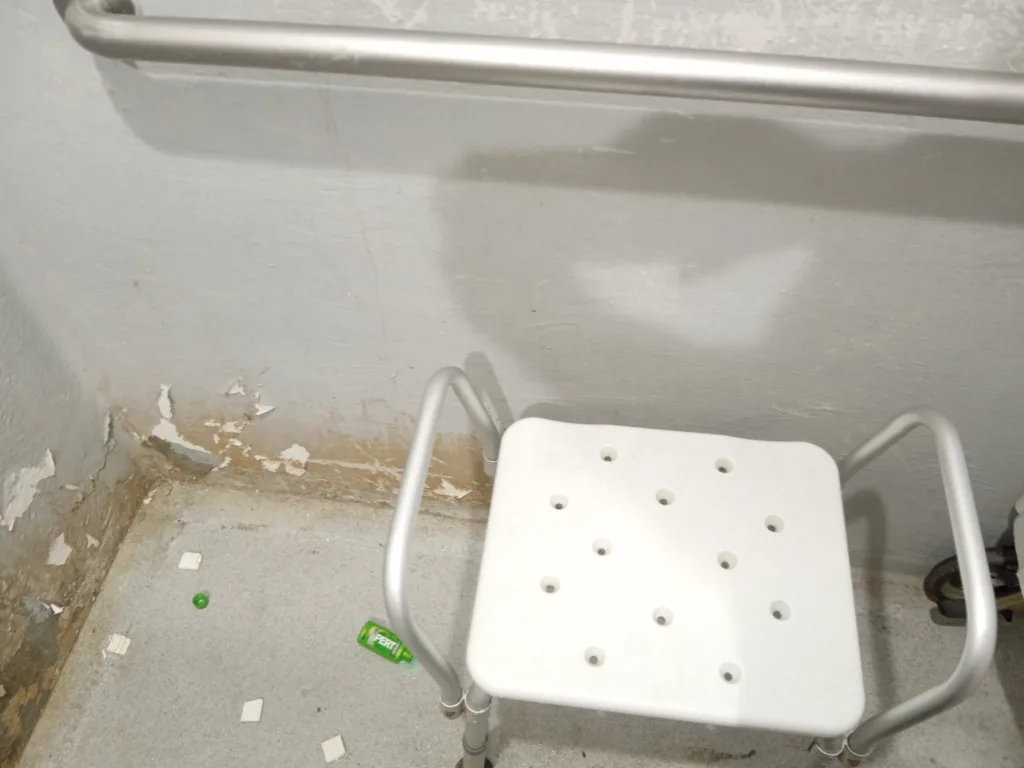
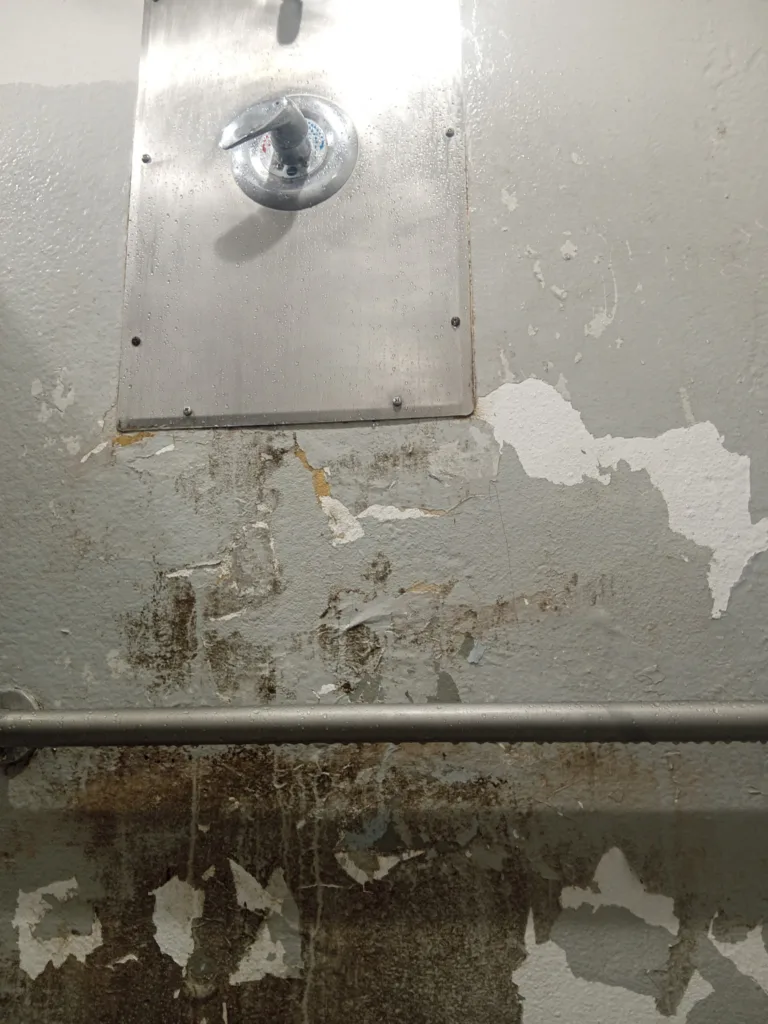
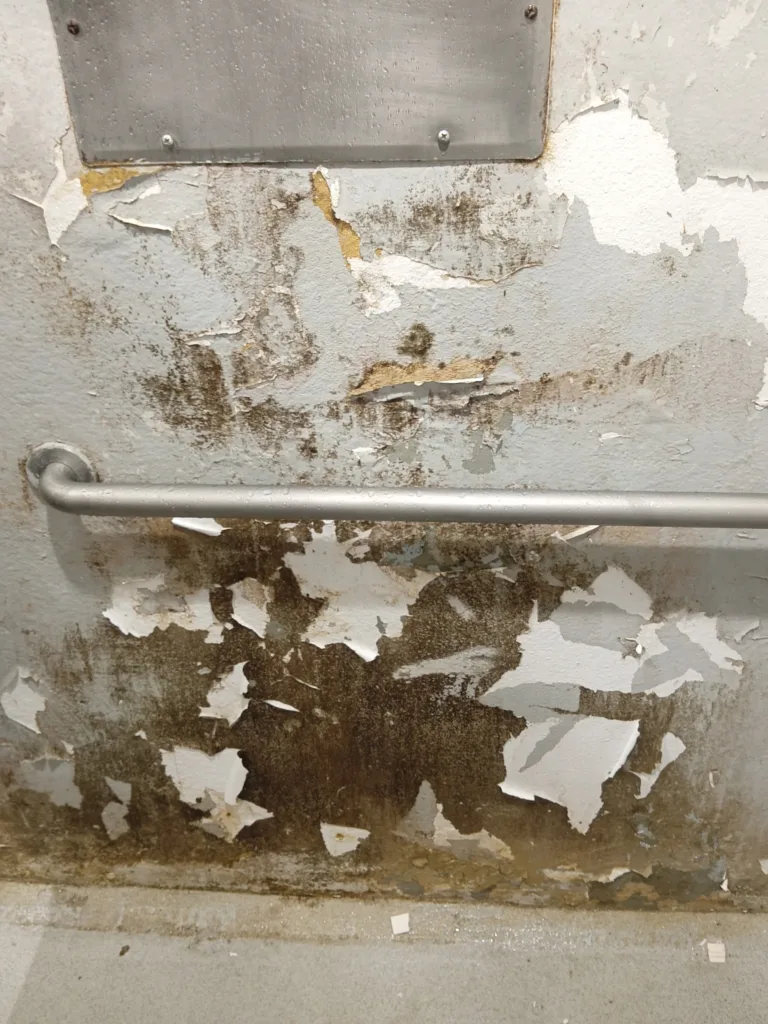
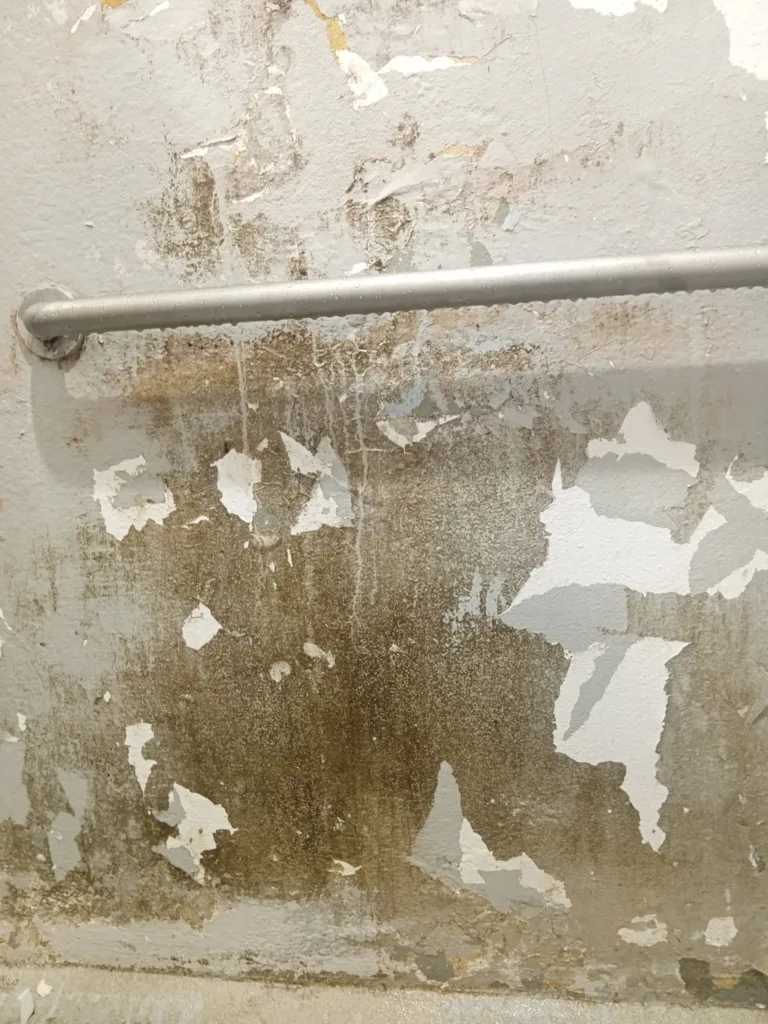
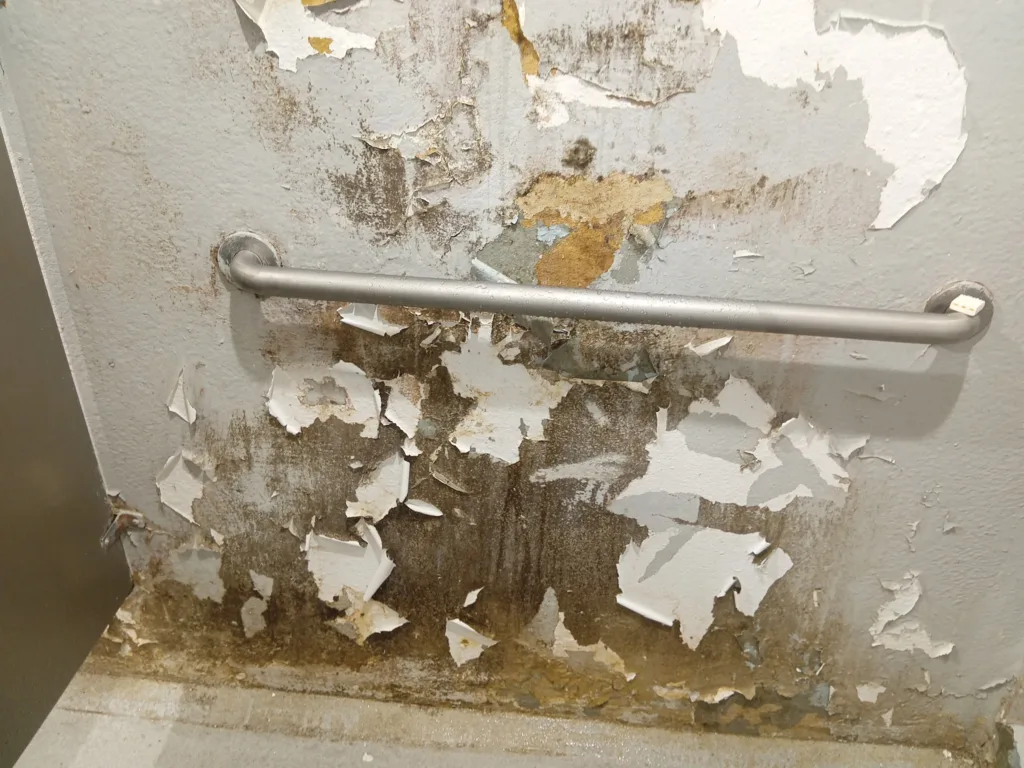
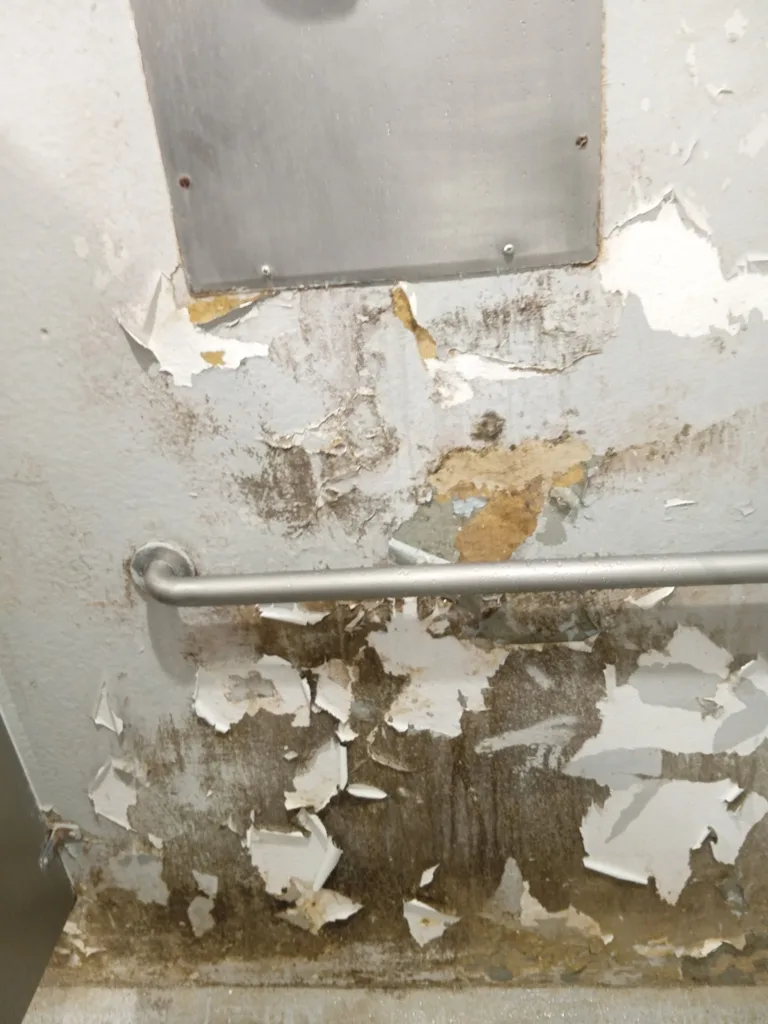
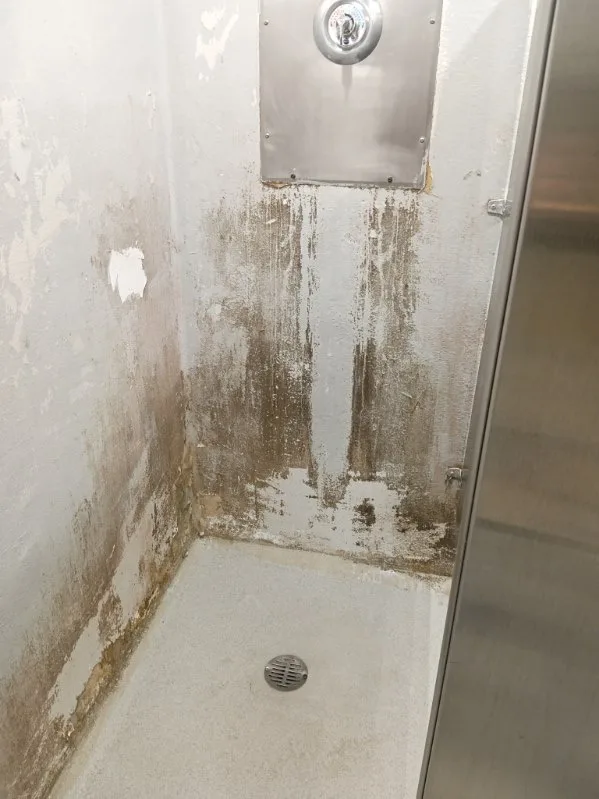
Mold Mold and Mold …..
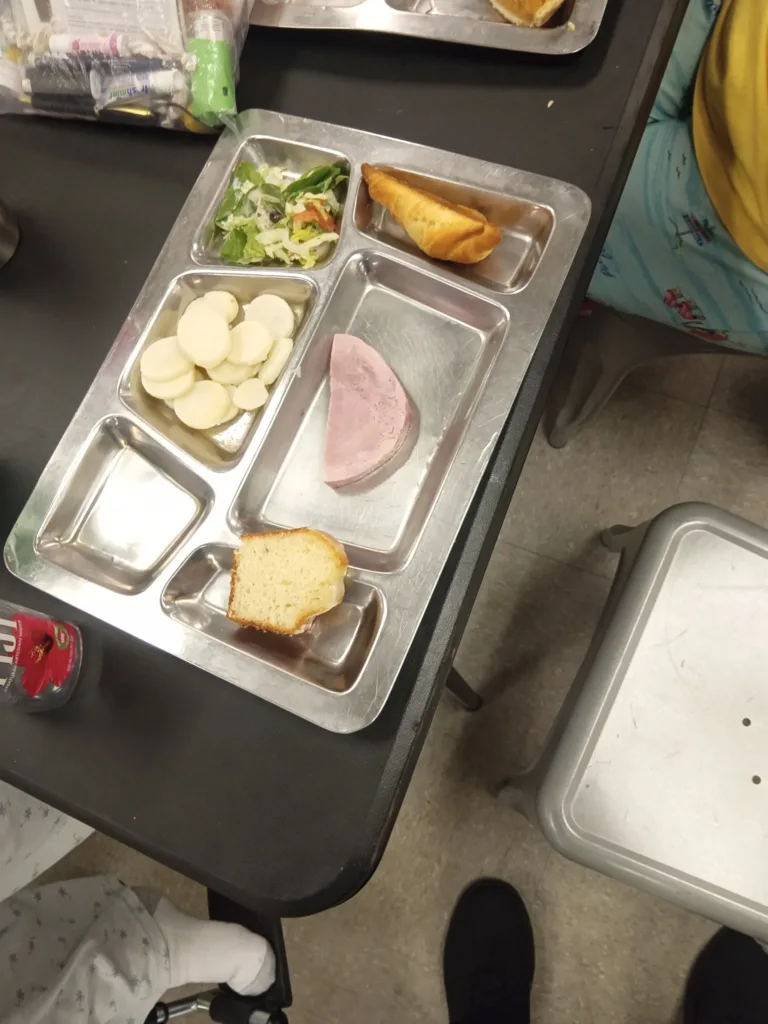
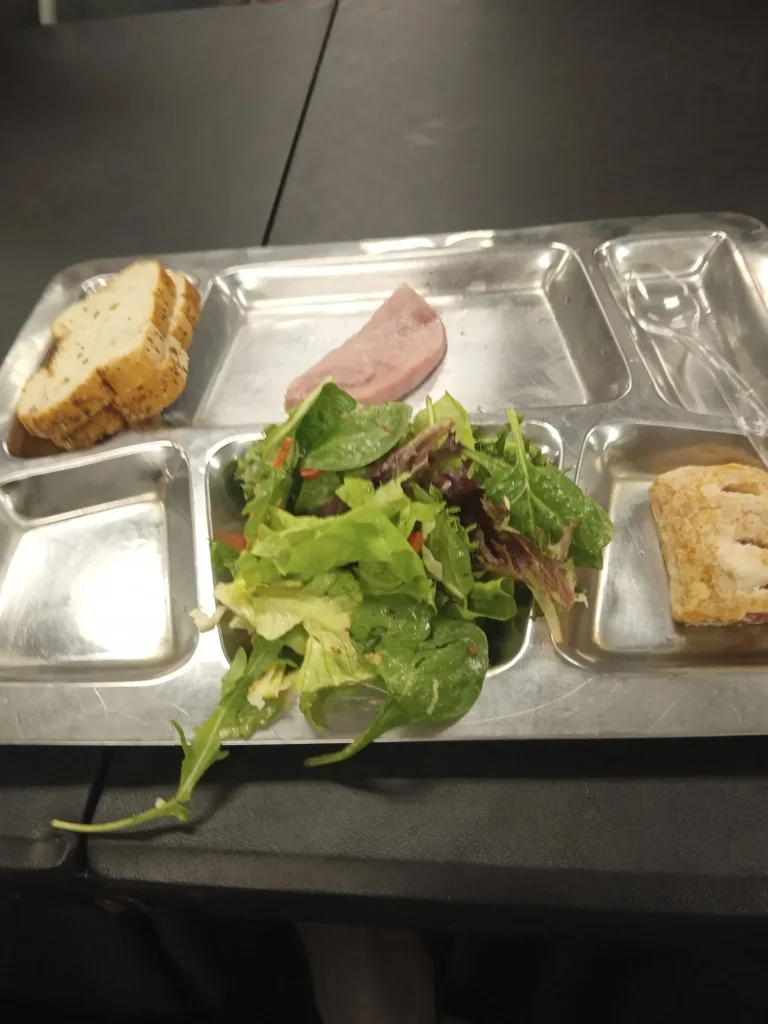
Shity Expired Food and Lack of Food


Repairs that are not Acceptable
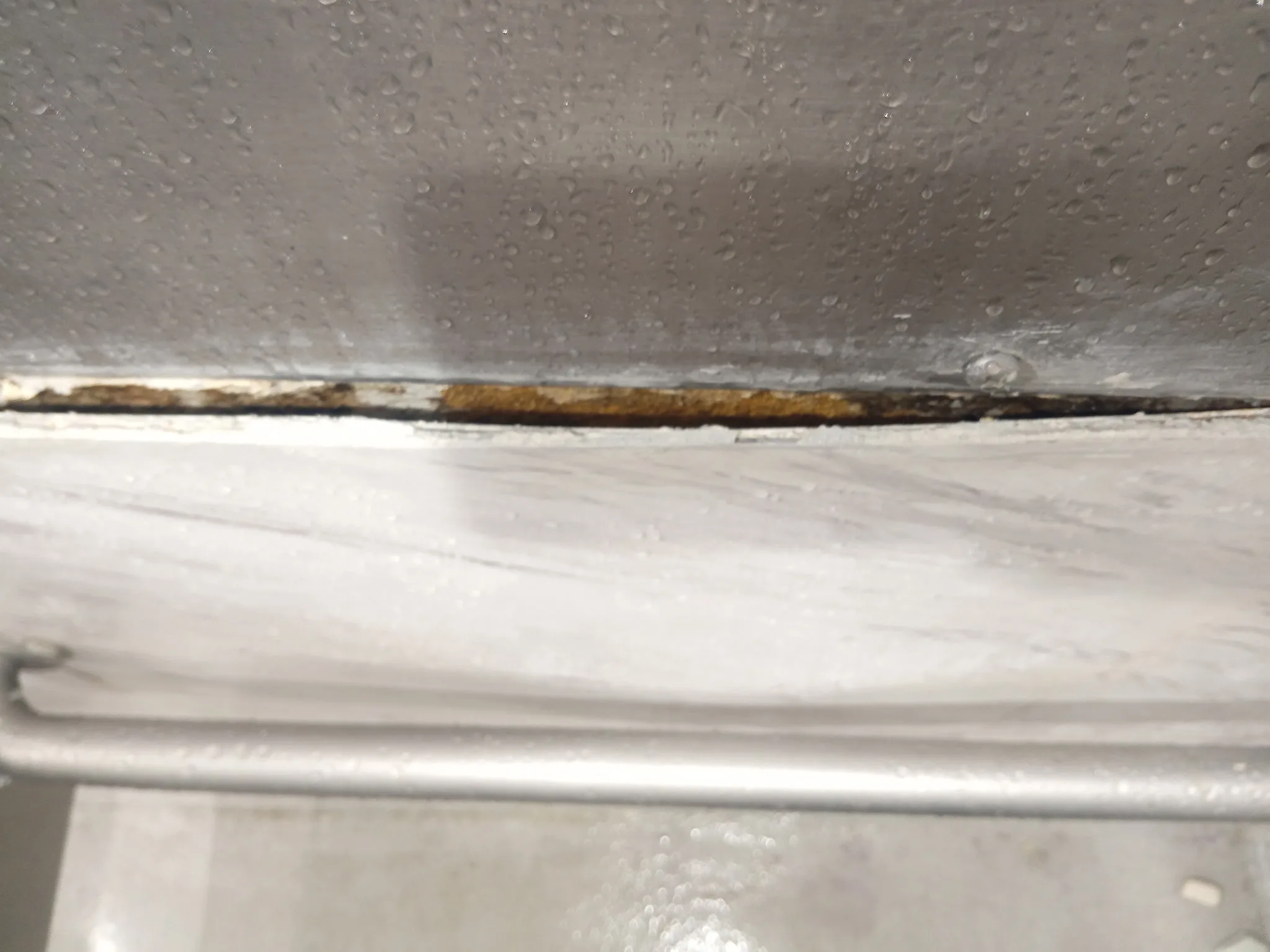

All they did was to paint and tile OVER the mold.
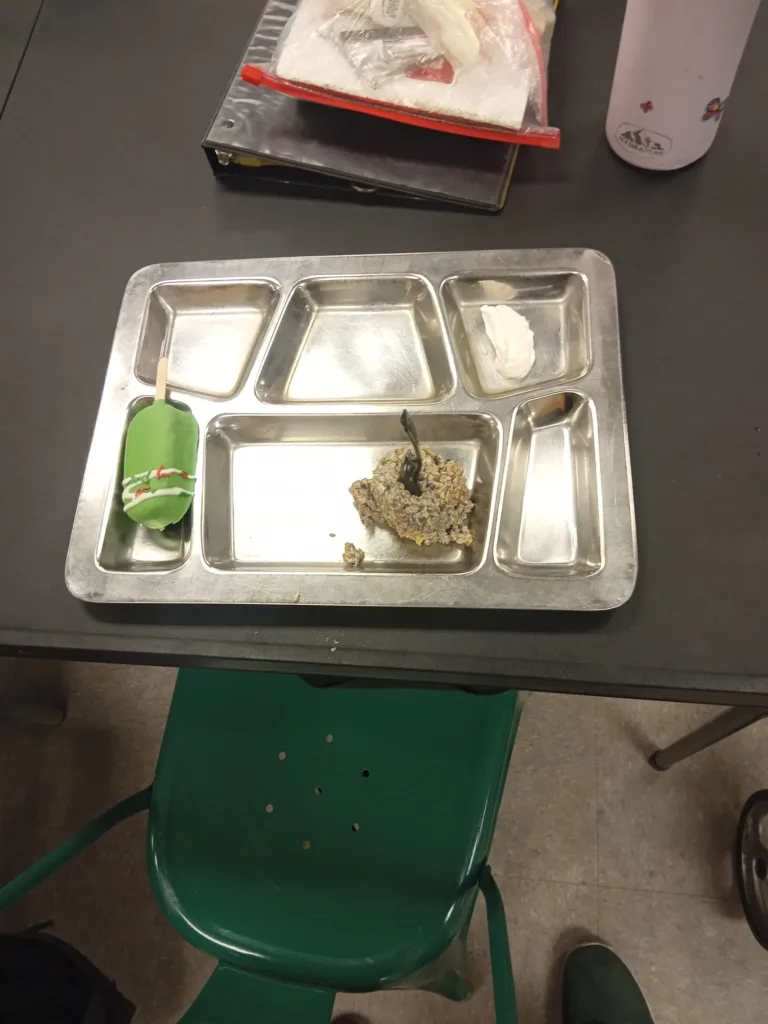
The Food Caused Vomiting, Diarrhea, and Headaches. EMS had to be called.
Maria Cruz is the executive director of Talbot House Ministries, and she is 100% in charge of these issues with mold, food, and repairs.
Below is Maria Cruz’s Letter to the editor in the Ledger, April 19, 2026
Moving Talbot House, a call to compassion, real solutions
By Maria Cruz,
Public conversations about homelessness, community safety and the delivery of human services are important. They shape policy decisions, influence perception and ultimately determine how a community responds to its most vulnerable neighbors.
As discussions continue regarding the proposed relocation of Talbot House Ministries, this is an opportunity to provide clarity, education and a broader understanding of the role comprehensive, accessible services play in strengthening our entire community.
Talbot House Ministries operates as a comprehensive continuum of care designed to stabilize individuals and families experiencing homelessness, poverty and housing instability. Services extend far beyond overnight shelter and include food insecurity response serving approximately 400 meals daily, a food pantry, a donations hub supporting other nonprofit organizations, structured day services, employment and training programs, recovery and self-sufficiency initiatives, mental health counseling and free medical and dental care.
The organization also provides prevention and diversion, affordable housing, rapid rehousing, permanent supportive housing, veterans’ services, crisis intervention and hospital discharge coordination. These services collectively reduce strain on emergency systems, neighborhoods and public resources while creating pathways to long-term stability.
A critical component of this discussion is accessibility. Human services are most effective when located near transportation, healthcare, employment opportunities and partner agencies. Strategic, centralized placement allows individuals to attend job interviews, access behavioral health services, receive medical care and actively participate in case management.
Relocating comprehensive services to remote or isolated areas creates barriers to success and limits coordination with community partners. Effective solutions require integration, not isolation.
Relocation also increases the opportunity to expand access to services. Currently, Talbot House operates using overflow spaces to meet demand, a reflection of the growing need in the community. A strategically designed facility would allow services to be delivered more efficiently, safely, and with greater dignity.
Expanded space would support structured programming, improved coordination and the ability to better serve individuals currently seeking assistance. Increasing accessibility is not about expanding a problem—it is about providing organized, accountable solutions for individuals already present in the community and in need of support.
Public discussion has also included concerns related to crime and individuals with complex needs. It is important to clarify that criminality is a community-wide issue and not unique to any one population. Individuals experiencing homelessness are often victims — of violence, exploitation, poverty, mental health challenges, and housing instability. Many are navigating circumstances beyond their control. Broad generalizations based on a small percentage do not reflect the reality of the majority working toward stability and self-sufficiency.
Similarly, individuals on registries already reside within communities under legal restrictions. Their presence is not created by service providers. Talbot House does not admit registered offenders into residential programs. Presenting this issue in connection with relocation risks reinforcing stigma rather than advancing informed dialogue. The focus should remain on solutions that improve community stability and safety.
References to “troubled people” also deserve thoughtful reflection. Every community includes individuals facing hardship, trauma and complex life circumstances. At different points in life, many experience instability, loss or crisis. Compassionate systems exist to help individuals regain footing, not to define them by their lowest moment.
Stereotyping an entire population based on a small subset — particularly those requiring a higher level of clinical or specialized care beyond what any single organization can provide — places unrealistic expectations on one provider and overlooks the need for a broader, collaborative system of care.
Talbot House Ministries does not claim to resolve the entire community crisis. Homelessness is complex and influenced by housing costs, mental health, addiction, economic instability, and systemic gaps. However, Talbot House is among the largest and most comprehensive providers actively working on solutions — offering prevention, stabilization, and pathways toward housing and independence.
These efforts benefit the entire community by reducing unsheltered homelessness, supporting employment, and strengthening public safety.
This conversation also presents a deeper call to compassion. As a ministry grounded in Matthew 25, our work is rooted in the call to serve “the least of these” — to feed the hungry, welcome the stranger, care for the sick and walk alongside those in need with dignity and hope. This is not simply a service model; it is a ministry. It is a reflection of faith lived out through action.
We invite the Body of Christ, faith leaders, and the broader community to stand together in compassion and truth. Supporting accessible, centralized, and comprehensive services is not only good public policy — it is a reflection of our shared values.
When we choose understanding over fear, collaboration over division, and dignity over stigma, we create pathways to restoration for individuals and strength for our entire community.
Homelessness is not solved by pushing services out of sight. It is addressed through accessible solutions, coordinated care, and a commitment to serve with compassion. Strategic relocation allows for expanded programming, safer operations, increased accessibility, and improved outcomes. It helps move individuals from crisis to stability while reducing community impact.
May we continue to be guided not by fear, but by faith; not by stereotypes, but by understanding; and not by division, but by a shared commitment to serve.
In doing so, we answer the call to care for the least among us and build a stronger, more compassionate community for all.
Maria Cruz is the executive director of Talbot House Ministries, based in Lakeland.
TIL a new word: shity.
I am in no way supporting mold and expired food. But the residents of Talbot House are sheltered and given opportunities to get their life back. If the building is in disarray, something needs to be done to get it up to code or they need to relocate to a more stable and safe environment. Homelessness, criminal behavior, drug addiction, human trafficking, and domestic abuse are real issues and the 400 people that are sheltered in Talbott house are more fortunate than the millions that are out there on the street. They do deserve to have better facility and better care.