Florida Polytechnic University students are currently involved in a new research initiative aimed at tackling harmful algae blooms at Lakeland’s Se7en Wetlands.
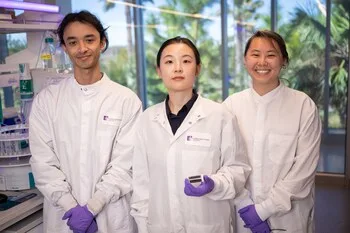
Led by Dr. Yudi Wu, an assistant professor of civil and environmental engineering, the project focuses on reducing the excess nutrients that fuel rapid algae growth, a process known as eutrophication.
The Research Project
The initiative, backed by a $300,000 grant from the Florida Department of Environmental Protection, is a two-year study conducted in collaboration with Florida A&M University. Because Se7en Wetlands was built on a former phosphate mine, the water has a unique chemical profile with higher-than-average phosphorus levels, which requires a targeted approach.
Key features of the system include:
- Floating Biochar Columns: Researchers are deploying floating devices equipped with submerged, three-to-five-foot columns.
- Engineered Filtration: These columns are filled with a composite of limestone and biochar (a charcoal-like material).
- Nutrient Removal: The biochar is engineered to absorb phosphorus, while the system creates conditions that allow nitrogen to be released safely as gas. By removing these catalysts, the team aims to “starve” algae blooms before they can develop.
Student Involvement
A major goal of the project is to provide students with practical, high-stakes environmental engineering experience. Undergraduate students, including freshman civil engineering major Atticus Blake, are working directly with Dr. Wu to monitor the system’s performance and analyze water quality, preparing them for future professional roles in the industry.
The project is still in its early stages, but it is being viewed as a potential scalable model for nutrient remediation in other Florida waterways facing similar ecological challenges.