When dealing with food served at homeless shelters or food pantries, there is an important distinction between food that is technically past its label date and food that is actually spoiled or unsafe.
Here is a breakdown of how expiration dates work, the laws surrounding food distribution, and what steps you can take if you have safety concerns.
Is It Safe? (Quality vs. Safety Dates)
According to the USDA and the FDA, most date labels on food packaging do not indicate safety.
- “Best if Used By/Before” or “Sell-By”: These are manufacturer estimates of peak quality, flavor, and freshness. They are not safety expiration dates. Non-perishable goods (like canned vegetables, dry pasta, and boxed meals) are often perfectly safe to consume months or even years past these dates, provided the packaging is undamaged.
- “Use-By”: This is the last date recommended for peak quality. It is still not a safety indicator, with one major exception: infant formula. Infant formula must never be served or distributed past its expiration date because the nutrients degrade over time.
- Genuinely Spoiled Food: Moldy Food, has an off-putting odor, or is stored in compromised packaging (such as severely dented, rusted, or bloated cans), is a health hazard and should never be served under any circumstances.
Legal and Policy Boundaries
- The Good Samaritan Act: Under the federal Bill Emerson Good Samaritan Food Donation Act, donors and non-profit organizations are protected from civil and criminal liability when donating and distributing food in “good faith.” However, this protection does not cover gross negligence (such as knowingly serving rotten or contaminated food).
- Shelter Protocols: Because food safety and dignity are paramount, many reputable organizations have strict policies against distributing items past their expiration dates. For instance, local organizations like Talbot House Ministries in Lakeland explicitly list expired food among the items they cannot accept under their “unable to accept” donation guidelines to maintain high standards of care.
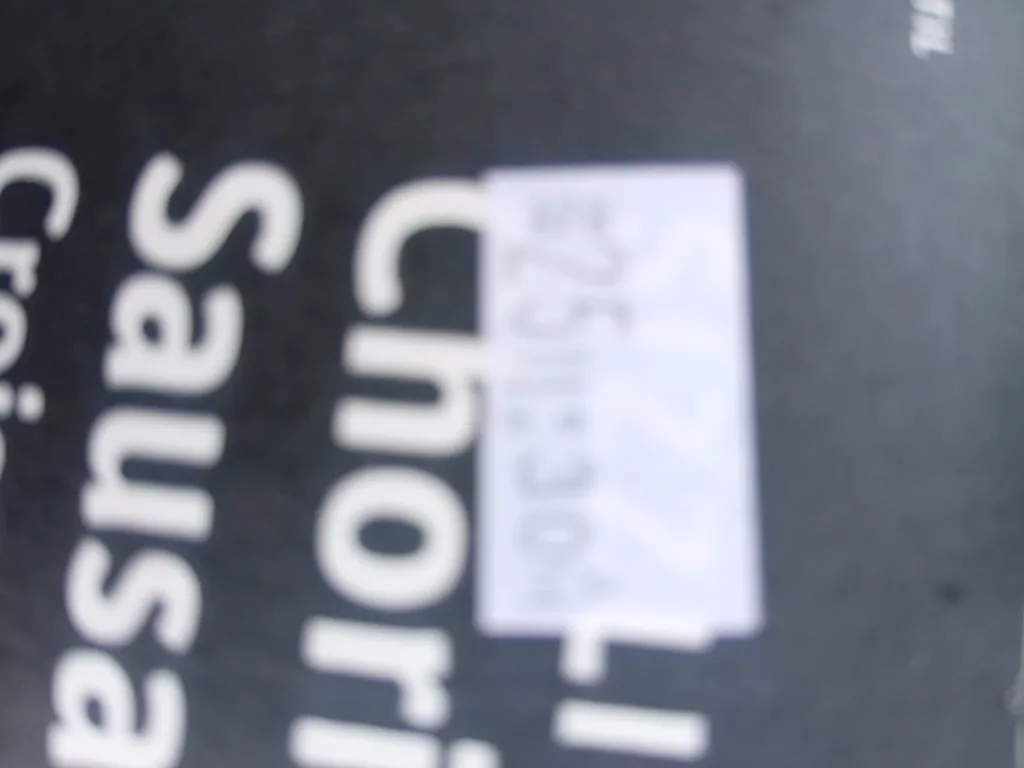
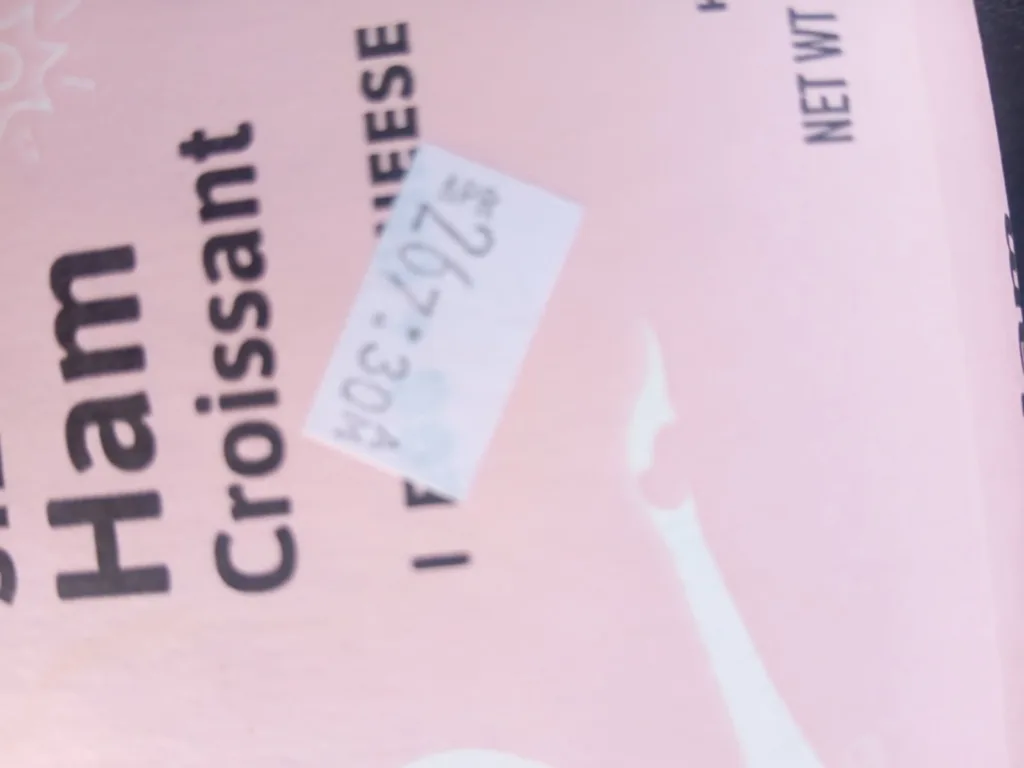
Editorial note: The Black one says April 25th, the Pink one says April 26th. Photos were taken on May 7. And they were served them on May 8 at the Talbot House. Eight days pass the labeled expiration date, why?
What to Do If You Have Concerns
If you suspect a shelter is serving food that is genuinely spoiled, hazardous, or prepared in unsanitary conditions, you have options:
- Document the Issue: If possible, take note of the specific food items, the dates on the packaging, and any visible signs of spoilage (like mold, bad smell, or damaged packaging).
- Talk to Shelter Management: In many cases, shelters rely heavily on volunteers and rapid donation turnarounds. A bad batch of food may have simply slipped through the screening process. Bringing it directly to the kitchen manager or director can lead to a quick correction.
- Contact the Health Department: Public health departments monitor and inspect food service operations, including institutional kitchens at shelters. You can report safety concerns or unsanitary conditions directly to your county’s branch of the Department of Health.
If a shelter is serving food that is moldy, rotten, or causing illness, it should be reported to the local health department.
While food safety at local shelters is an important issue, there are no official reports or health department violations, indicating that Talbot House Ministries is serving expired food. But the photos above do not lie.
Here is the actual context behind food safety policies and regional discussions regarding Talbot House:
1. Strict Policies Against Expired Donations
To protect the health and dignity of the individuals they serve, Talbot House Ministries maintains strict rules regarding what they will accept. According to their official donor guidelines, they explicitly refuse:
- Expired food items
- Open food products
- Leftovers
They only accept safe, unopened, and unexpired non-perishable food donations, alongside fresh items managed through designated partnerships.
2. The Source of “Expired Food” Feedback
The association between regional food programs and “expired food” often stems from the United Community Needs Assessment (UCNA), a major tri-county study released by the GiveWell Community Foundation and the United Way of Central Florida (which Talbot House helped distribute).
- The report compiled anonymous complaints from residents who mentioned receiving expired or spoiled food from some food assistance programs in the region.
- However, these specific complaints (such as the quote, “I think it’s only safe to use 25 or 30% of what they give you, but the rest is garbage”) were documented from residents in neighboring Hardee County, not from Talbot House’s operations in Polk County.