The situation escalated rapidly, and the Florida Department of Agriculture and Consumer Services (FDACS) officially tightened the net.
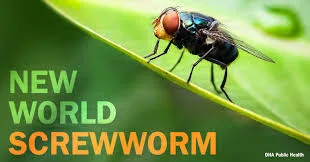
Florida Commissioner of Agriculture Wilton Simpson issued Emergency Rule 5CER26-7, which explicitly bans the importation of rescue and shelter dogs and cats from any state with confirmed New World Screwworm (NWS) detections until further notice.
This aggressive stance comes on the heels of the USDA confirming multiple U.S. cases—including a calf and a dog in Texas, and another dog in New Mexico. Because dogs are historically the second most affected species after cattle, shelter and transport networks are a major focus for containment.
What the Emergency Rules Look Like
For regular pet travel and livestock, the rules are incredibly strict, but the absolute shutdown specifically targets shelter and rescue animals to prevent the parasite from gaining a foothold in Florida’s warm climate.
- Rescue & Shelter Ban: Prohibits shelter or rescue dogs and cats originating from any state with a confirmed NWS case from crossing into Florida.
- Border Restrictions: For other warm-blooded animals coming from an “infested zone” (defined as any county with a positive detection and its surrounding border counties), there is a temporary freeze. Afterward, they must obtain a specialized FDACS Certificate of Animal Movement and an Official Certificate of Veterinary Inspection (OCVI) issued within 5 days of travel, stating they are completely free of larvae.
- The Quarantine Risk: Any animals arriving from high-risk areas without a pristine vet certificate will be forced into quarantine, and the suppliers will face heavy fines. Animals from infested zones will simply be turned away at the state line.
Why the High Stakes?
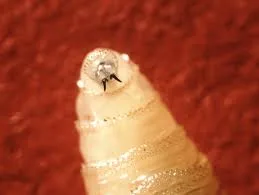
The New World Screwworm is a devastating parasitic fly. Unlike regular maggots that feed on dead tissue, screwworm larvae burrow into and feed on the living flesh of warm-blooded animals.
The pest was completely eradicated from the United States back in 1966 (outside of a brief, isolated outbreak in the Florida Keys in 2017). Its return through the southern border poses a massive threat to livestock, wildlife, and domestic pets. Because Florida stays warm year-round, an unchecked introduction could be catastrophic for local animal populations and the agricultural economy.
What Pet Owners and Rescues Should Watch For
The FDA has already issued emergency use authorizations for specific preventative treatments (like certain doses of Credelio and NexGard) for pets traveling in or near at-risk zones.
Agriculture and wildlife officials are urging anyone handling animals to monitor them closely. The primary warning signs of an infestation include:
- Slow-healing, draining, or rapidly enlarging wounds.
- Visible maggots or egg masses clustered in a wound or natural body opening (ears, nose, eyes, or umbilicus).
- Signs of intense physical discomfort, lethargy, or uncharacteristic scratching and biting at a specific spot.
Local Reporting: If you suspect a screwworm infestation in domestic pets or livestock, it must be reported immediately to FDACS at 1-800-342-5869. For wildlife concerns, contact the Florida Fish and Wildlife Conservation Commission (FWC) at 1-888-404-3922.