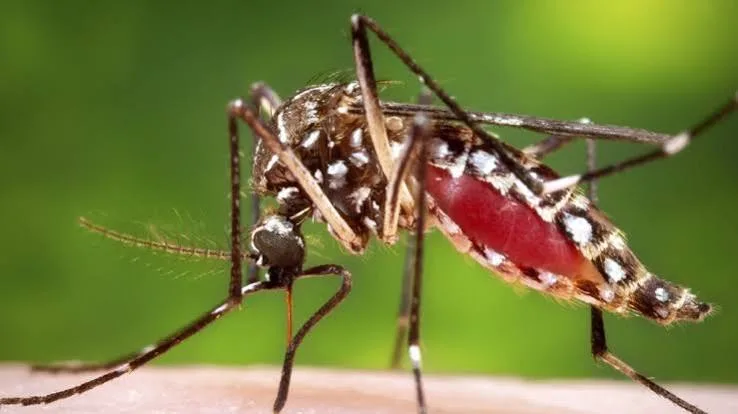
The Florida Department of Health in Hillsborough County (DOH-Hillsborough) issued a mosquito-borne illness advisory following a confirmed human case of locally acquired dengue fever. This marks Florida’s first reported case of locally acquired dengue in 2026.
A “locally acquired” case means the individual was bitten by an infected mosquito within the area rather than catching the virus while traveling abroad.
What Local Authorities Are Doing
DOH-Hillsborough and Hillsborough County Mosquito Management are coordinating surveillance and target treatments (such as spraying and mosquito population control) to limit further spread in the area.
Prevention Steps: The “Drain and Cover” Method
Health officials advise residents to practice standard mosquito bite prevention:
- Drain Standing Water:
- Empty items where water collects: gutters, buckets, flowerpots, pet dishes, birdbaths, pool covers, and toys at least once or twice a week.
- Keep swimming pools chlorinated and drained when not in use.
- Cover Up:
- Skin: Wear long sleeves, pants, and socks when spending time outdoors, especially around dawn and dusk when mosquitoes are most active.
- Repellent: Use EPA-approved insect repellents containing DEET, picaridin, oil of lemon eucalyptus, or IR3535.
- Home: Ensure window and door screens are in good repair to keep mosquitoes out of the house.
Key Symptoms to Watch For
Dengue symptoms usually set in 4 to 10 days after a bite from an infected Aedes mosquito and typically last up to a week:
- High fever
- Severe headache or pain behind the eyes
- Joint and muscle aches (often called “breakbone fever”)
- Nausea, vomiting, or skin rash
If you suspect you or a family member may have dengue, consult a healthcare provider promptly.