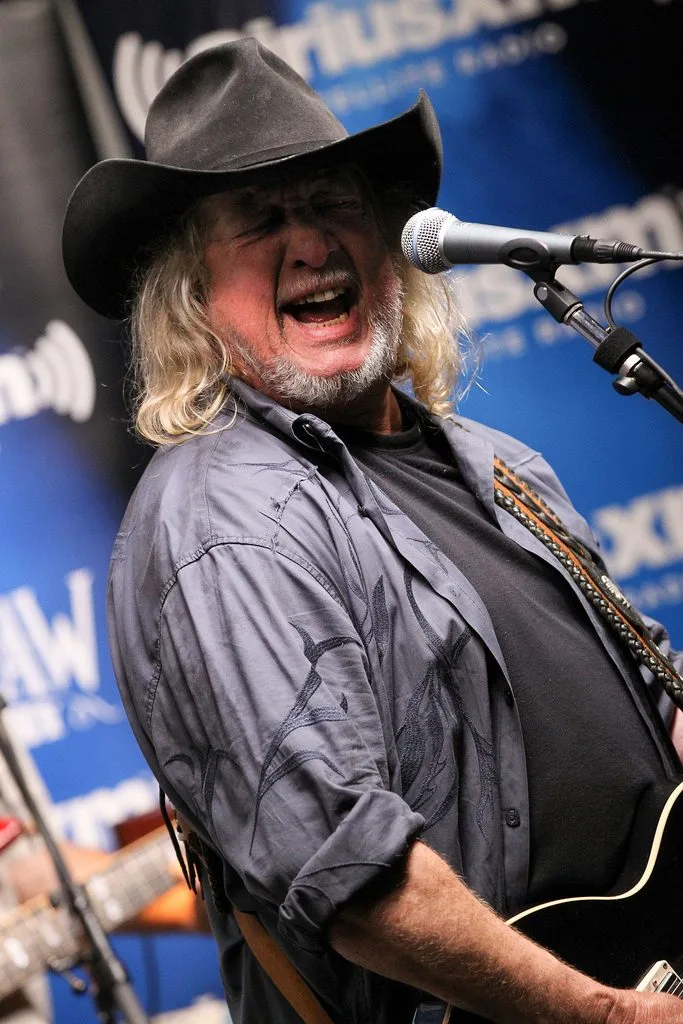
Florida Governor Ron DeSantis issued an executive order designating country singer John Anderson’s 1992 hit “Seminole Wind” as Florida’s official state anthem.
The executive order officially establishes “Seminole Wind” as Florida’s designated anthem—distinguishing it from Florida’s state song (“Old Folks at Home / Swanee River”) and state anthem (“Florida (Where the Sawgrass Meets the Sky)”), which DeSantis noted in the order have seen little public use.
Key Details of the Executive Order & Recognition
- Statewide Designation: DeSantis directed the Secretary of State to update official publications, agency websites, records, and state resources to recognize “Seminole Wind” as the state anthem. He also encouraged the Florida Legislature to formally codify the designation into state statute (Chapter 15) during its next legislative session.
- Conservation & Cultural Legacy: The governor highlighted how the song’s narrative—which references Seminole leader Osceola and laments the environmental destruction and draining of the Florida Everglades—helped shape generational conservation awareness across the Sunshine State.
- Historical Markers in Apopka: The order instructs the Florida Department of State to construct historic markers in Anderson’s hometown of Apopka celebrating his artistic contributions to the state’s cultural heritage.
- Lake Apopka Naming: The Florida Department of Environmental Protection and the St. Johns River Water Management District were tasked with designating a wildlife drive and trail system along the Lake Apopka North Shore as the John Anderson Wildlife Drive and Trail System.
Written and recorded by Florida native John Anderson, “Seminole Wind” served as the title track of his 1992 double-platinum album and remains one of the most recognizable country songs dedicated to Florida’s natural environment and Native heritage.
Released in August 1992, “Seminole Wind” served as the title track and fourth single from John Anderson’s smash comeback album.
- Origins: Anderson grew up in Apopka, Florida, near Lake Apopka and the Northern Everglades watershed. He wrote the song after returning to his home state and observing the rapid urbanization, industrial development, and environmental degradation that had transformed the landscape of his childhood.
- Cultural Impact: The song reached #2 on the Billboard Hot Country Singles & Tracks chart in late 1992 and revitalized Anderson’s career. Its blend of traditional country fiddle, piano-driven melody, and poignant environmental message made it an enduring anthem across the American South.
Lyric Themes & Historical Context
The song weaves together Florida’s military history, Native American heritage, and 20th-century ecological history:
1. The Draining of the Everglades
“Ever since the days of old, men have searched for wealth untold / They digested all the land, or burned the land for gold…”
This line directly references the widespread drainage projects of the late 19th and 20th centuries, when state leaders and developers sought to drain the “swamp” to make way for agriculture (such as sugarcane) and suburban residential developments, drastically altering the natural water flow.
2. Chief Osceola & The Seminole Wars
“Progress came and took its toll, and the progress came and took the gray ghost / Ghost of Osceola, he cries out from the grave / ‘Why did you ditch the water, and drain the Everglades?'”
- Osceola (1804–1838): A prominent leader of the Seminole in Florida who resisted forced relocation by the U.S. government during the Second Seminole War (1835–1842).
- The “Unconquered”: Osceola retreated into the dense, flooded Everglades, using the terrain to wage effective guerrilla warfare before his capture under a white flag of truce in 1837. The lyrics invoke his spirit to question modern environmental destruction.
3. The Chorus & The Natural World
“Blow, blow Seminole wind / Blow like you’re never gonna blow again / Like it’s your last chance to breathe / Howl like the wind in the Cypress trees…”
The chorus serves as a call for nature—and Florida’s ancestral legacy—to assert itself before the natural ecosystem of cypress swamps and sawgrass marshes is permanently lost.