The Polk County Sheriff’s Office (PCSO) in Florida is moving toward encrypting its radio communications, a transition that will block public and media access to live dispatch audio via traditional police scanners and online feeds.
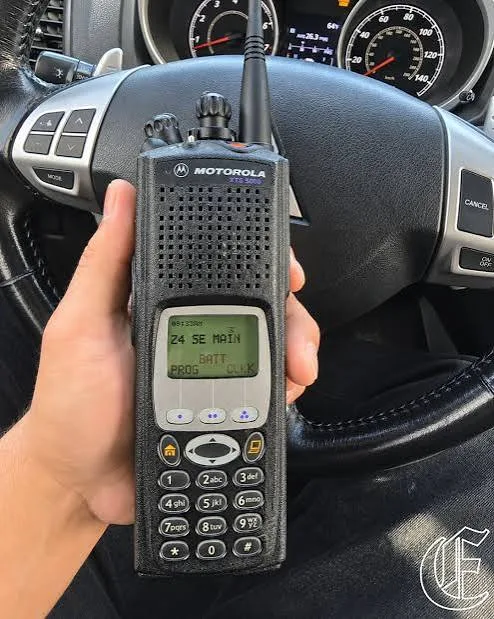
Current Status & Timeline
- Unconfirmed Effective Date: PCSO has not officially confirmed an exact cutover date, though local scanner communities and news outlets indicate that January 1, 2027, is widely rumored as the target date.
- Current System Setup: Most Polk County public safety agencies operate on the Polk, Hardee, Highlands, and DeSoto Counties Public Safety Project 25 (P25) trunked radio system. Several municipal agencies in the county—including the Lakeland Police Department (which operates on its own P25 Phase II system) and the Auburndale Police Department—have already encrypted their law enforcement talkgroups.
Drivers Behind the Move
Law enforcement agencies across Florida have increasingly adopted full radio encryption citing three primary factors:
- Marsy’s Law & Victim Privacy: Florida’s constitutional amendment protecting crime victims’ rights restricts the public release of identifying information, which is routinely broadcast over unencrypted dispatch channels (such as victims’ names, addresses, and medical details).
- Sensitive Data Protection: Routine traffic stops and warrants involve broadcasting driver’s license numbers, dates of birth, and Social Security numbers.
- Officer & Operational Safety: Encryption prevents suspects from monitoring tactical movements or active responses in real time via smartphone scanner apps.
Impact on Public & Media Monitoring
- Total Blackout on Encrypted Talkgroups: Once PCSO enables encryption on its primary dispatch and tactical talkgroups, no consumer digital scanner or software-defined radio (SDR) can decode the audio.
- Fire & EMS Typically Remain Open: In most Florida jurisdictions that encrypt law enforcement—such as Orange, Duval, and neighboring municipal systems—Polk County Fire Rescue and local municipal fire/EMS dispatch channels generally remain unencrypted (“in the clear”).
- Newsroom & Public Transparency: Local journalists and community watch groups lose real-time awareness of breaking incidents, forcing reliance on official PCSO public information officers (PIOs), press releases, and active-call CAD logs (if the agency provides a delayed web portal).
(Visited 3 times, 3 visits today)