The “blind mosquitoes” currently swarming Lakeland are actually aquatic midges (Chironomids). While they look like mosquitoes, they don’t bite, suck blood, or carry diseases—they are strictly a nuisance.
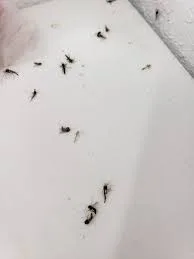
Several environmental factors in Polk County have converged this April to create the “perfect storm” for these massive hatches:
Why the Swarms are Extra Heavy Right Now
- Low Lake Levels: Central Florida has experienced a prolonged dry stretch this spring. As lake levels drop, nutrients like algae and organic matter—which midge larvae eat—become highly concentrated.
- Nutrient Loading: Runoff from fertilizers and organic debris provides an abundant food source. This allows the larvae (often called “bloodworms”) to thrive in massive numbers on the lake bottoms before they transform into flying adults.
- Continuous Hatching: Unlike some insects that emerge all at once, midges hatch in waves. While an individual adult only lives about 3 to 5 days, new hatches are constantly replacing the ones that die off, leading to swarms that can last for weeks.
- Optimal Temperatures: Because the larvae develop underwater in the sediment, they are relatively insulated from temperature swings, allowing them to remain active and ready to emerge as soon as conditions are right.
Why They Are All Over Your House
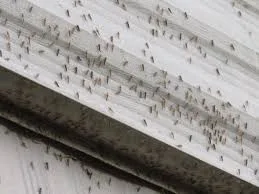
Midges are weak fliers and are easily pushed around by the slightest breeze. They seek out two specific things:
- Still Air: They gather in alcoves, under carports, and near entryways where the air is calm.
- Bright Lights: They are highly attracted to light. Porch lights, garage lights, and even white or light-colored walls act as beacons for them at night.
Tips to Manage the Swarms
- Swap Your Lights: Use yellow “bug lights” or motion-activated lighting to make your home less attractive to them.
- Use a Fan: Because they are poor fliers, a simple floor or ceiling fan on a patio can create enough of a breeze to keep an area clear.
- Strategic Lighting: Place a “decoy” light further away from your front door to draw the swarm away from your entrance.
- Wait it Out: Local experts note that while the swarms are frustrating, they are temporary. Polk County Mosquito Control typically does not spray for midges because they focus on biting, disease-carrying species.
The city’s ongoing efforts to improve water quality through dredging and nutrient removal are the long-term solution, as cleaner water naturally supports fewer midge larvae.
(Visited 102 times, 1 visits today)